A comprehensive repository of fire safety engineering standards (NFPA/EIT), clean agent suppression, and commercial solar energy efficiency.
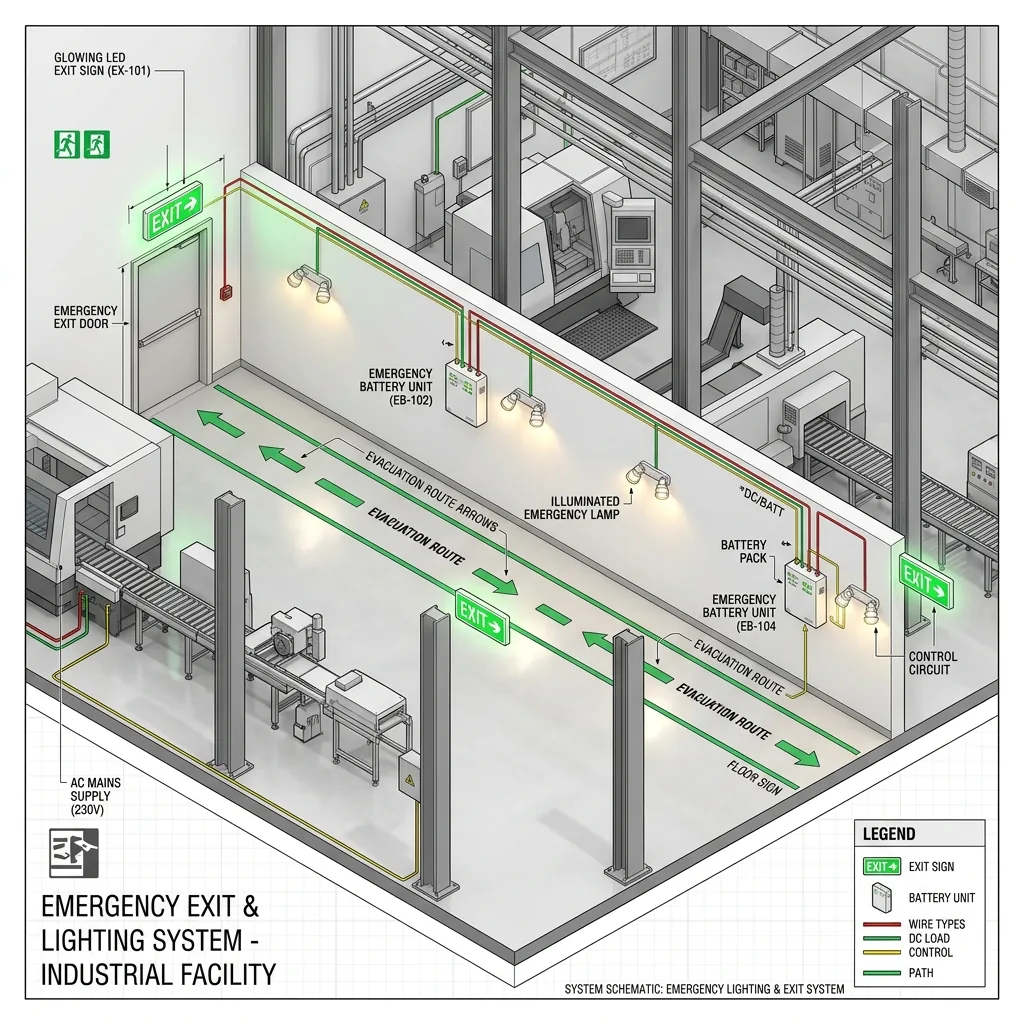
Discover the psychology and biology behind green exit signs. Why human eyes see green best in thick smoke, plus viewing distance standards and life-saving low-level exit signs.
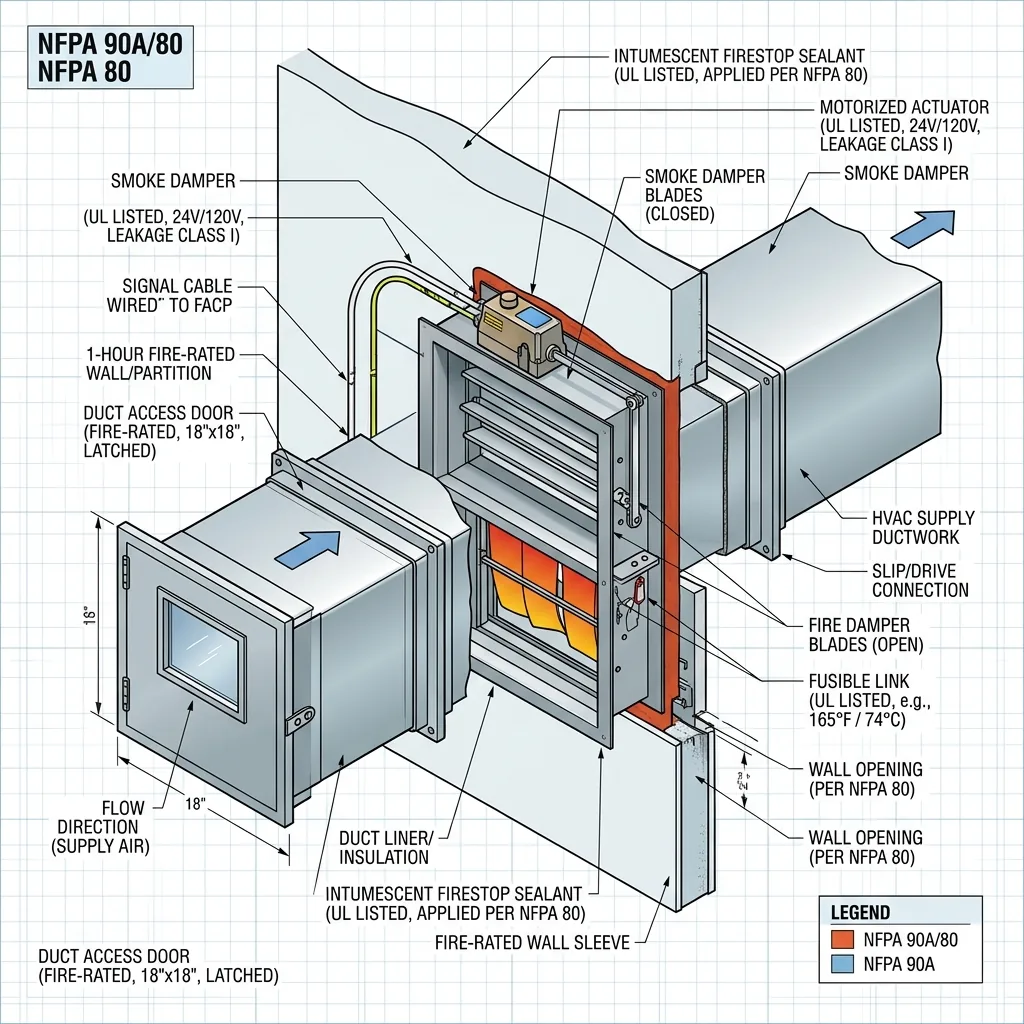
Comprehensive inspection guide and checklist for safety officers and HVAC engineers to inspect and test fire & smoke dampers under NFPA 90A, NFPA 80, and NFPA 105.
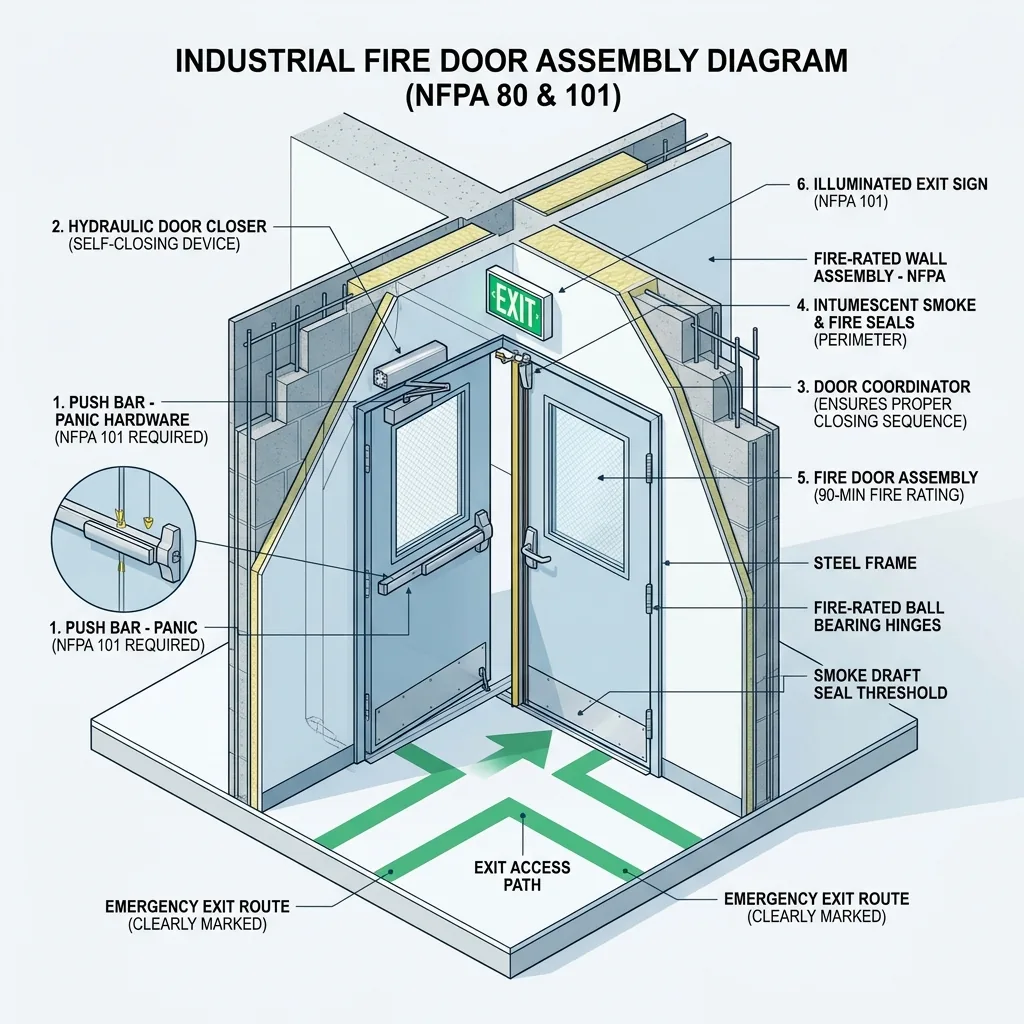
Life safety checklist for safety officers to inspect fire-rated doors, panic bars, and emergency egress routes complying with NFPA 80, NFPA 101, and labor safety laws.
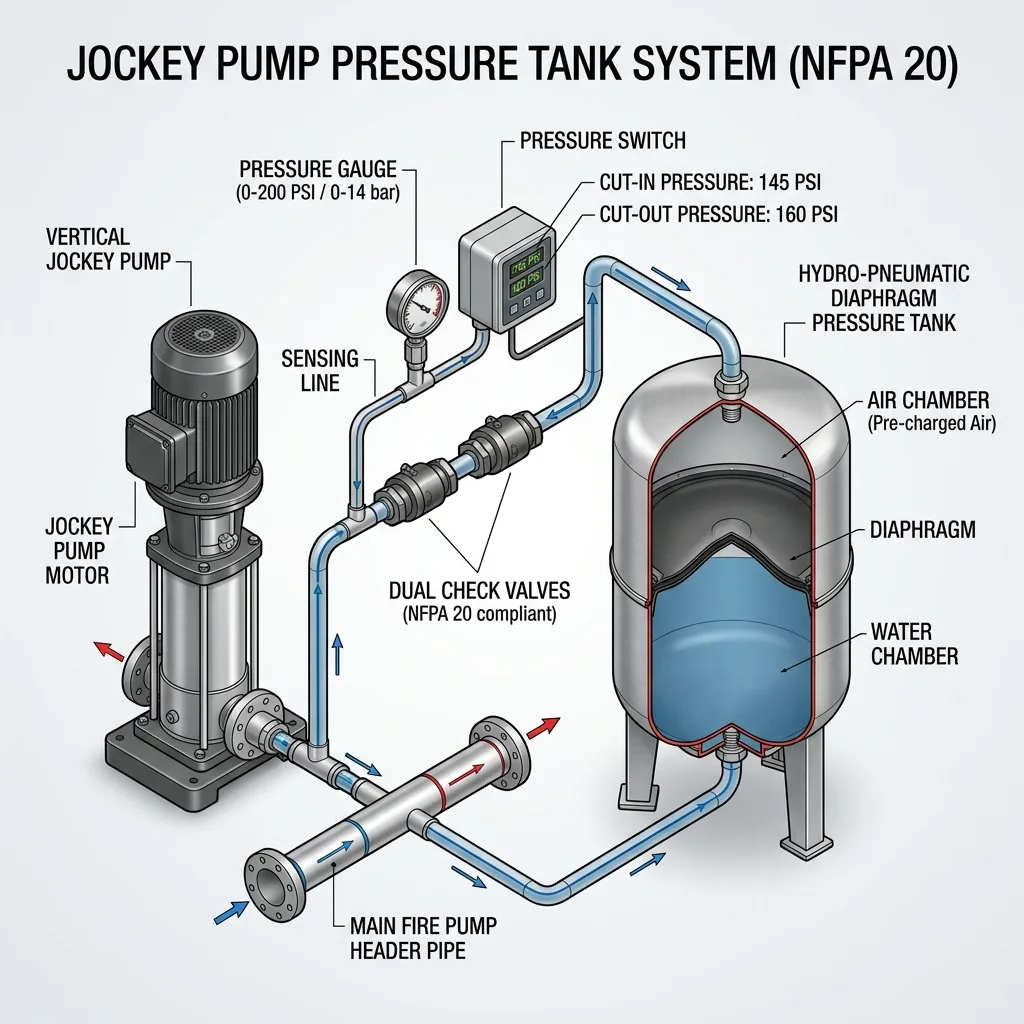
Resolve frequent jockey pump cycling (pump hunting). Detailed calculations for diaphragm tank volume, air pre-charge pressure, and pressure switch cut-in/cut-out settings.
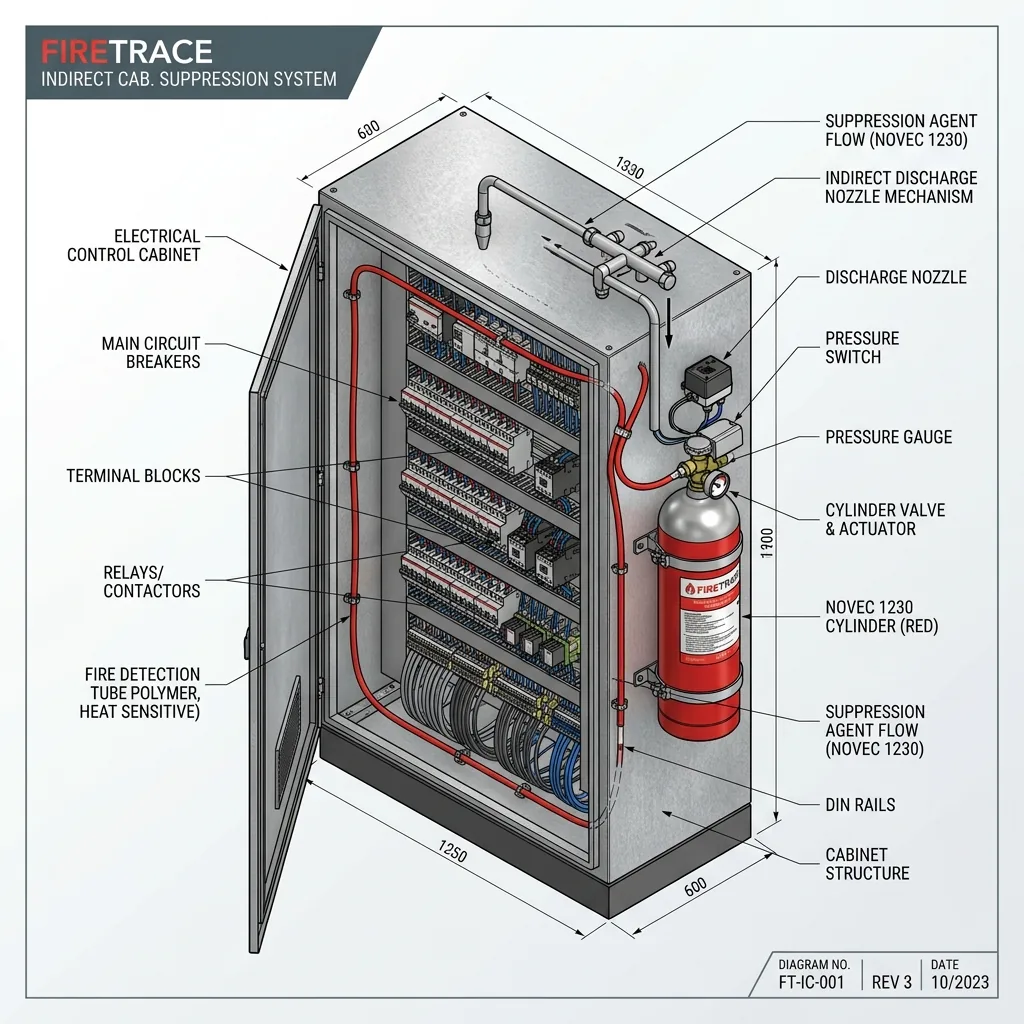
In-depth guide to localized Novec 1230 fire suppression inside MDB/PLC enclosures using heat-sensitive polymer tubing. Save 70-80% compared to full-room total flooding.
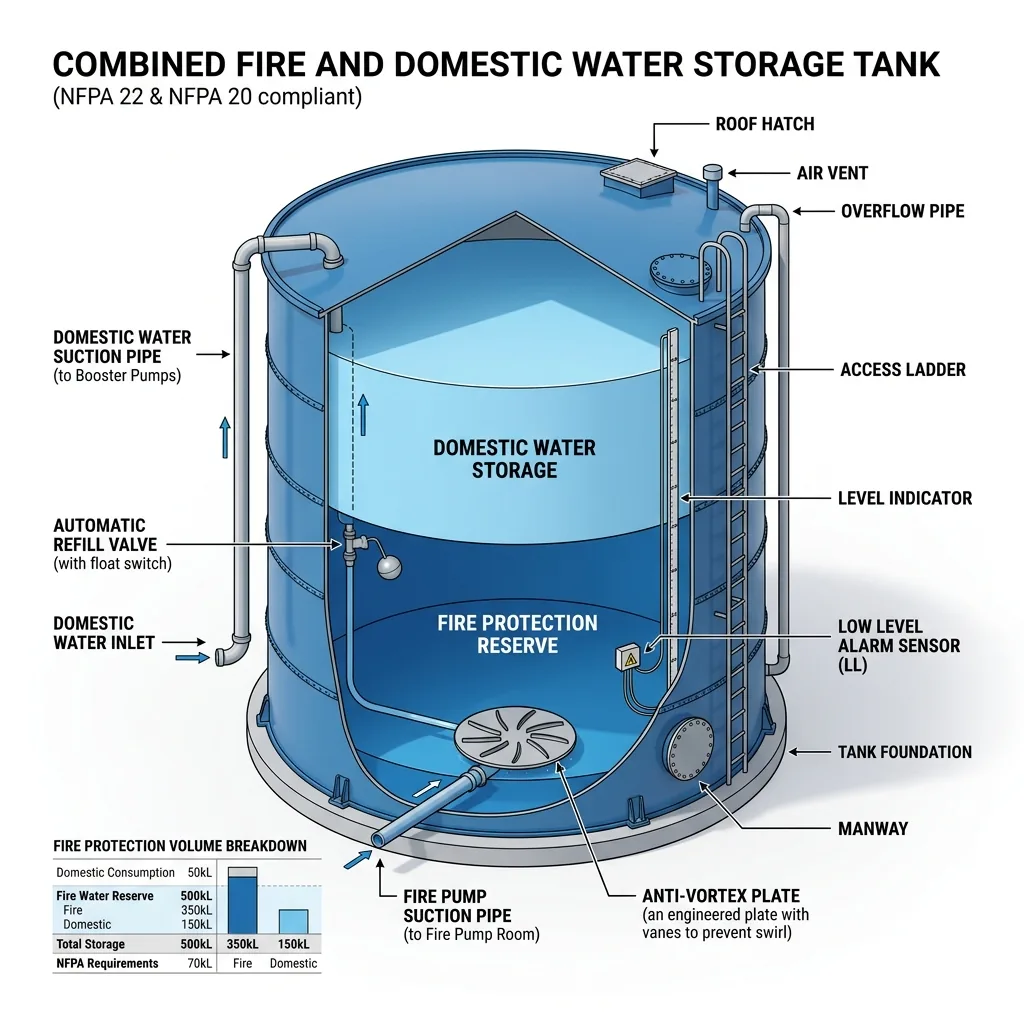
Ensure 100% dedicated fire water reserve by raising domestic suction pipe elevation and installing anti-vortex plates to eliminate pump air cavitation.
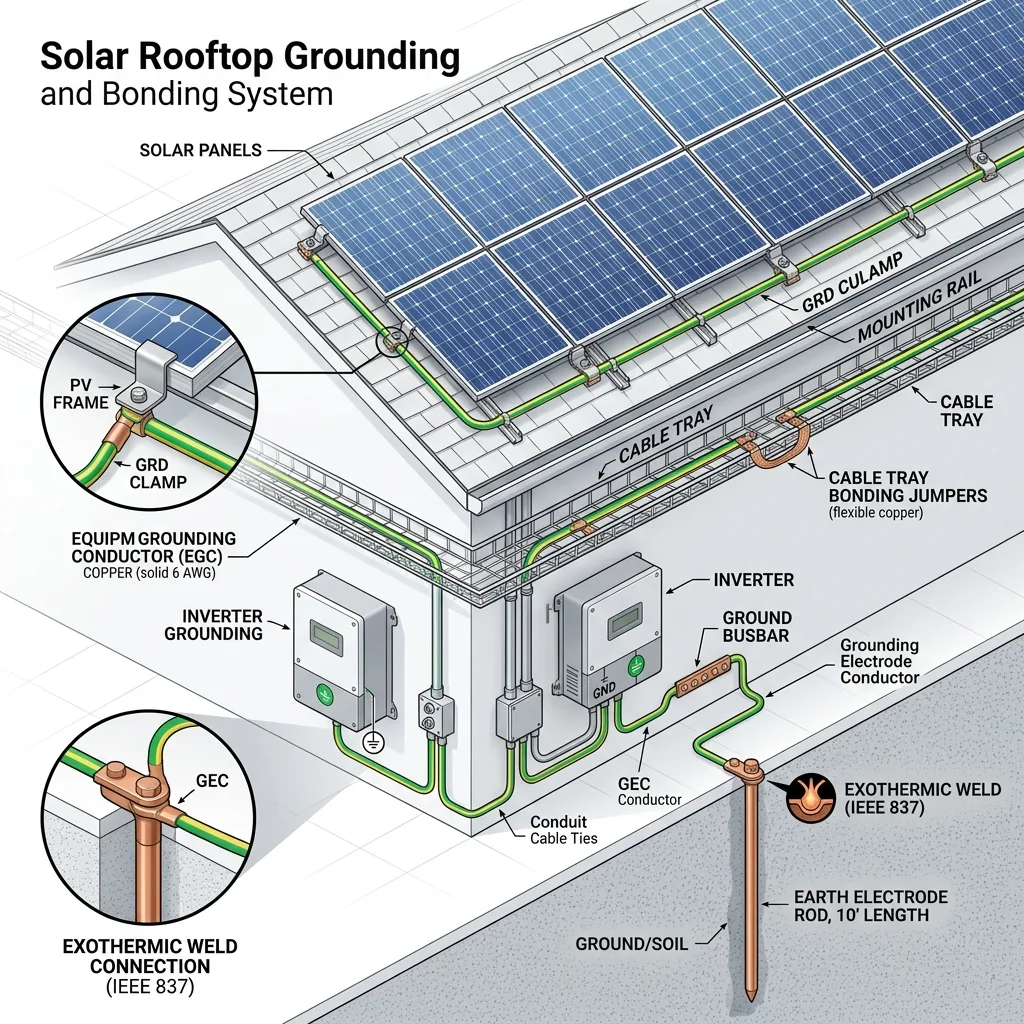
Design rules for grounding solar panel frames using UL 467 clips, shock prevention for maintenance crews, R < 5 Ω earth resistance, and exothermic welding methods.
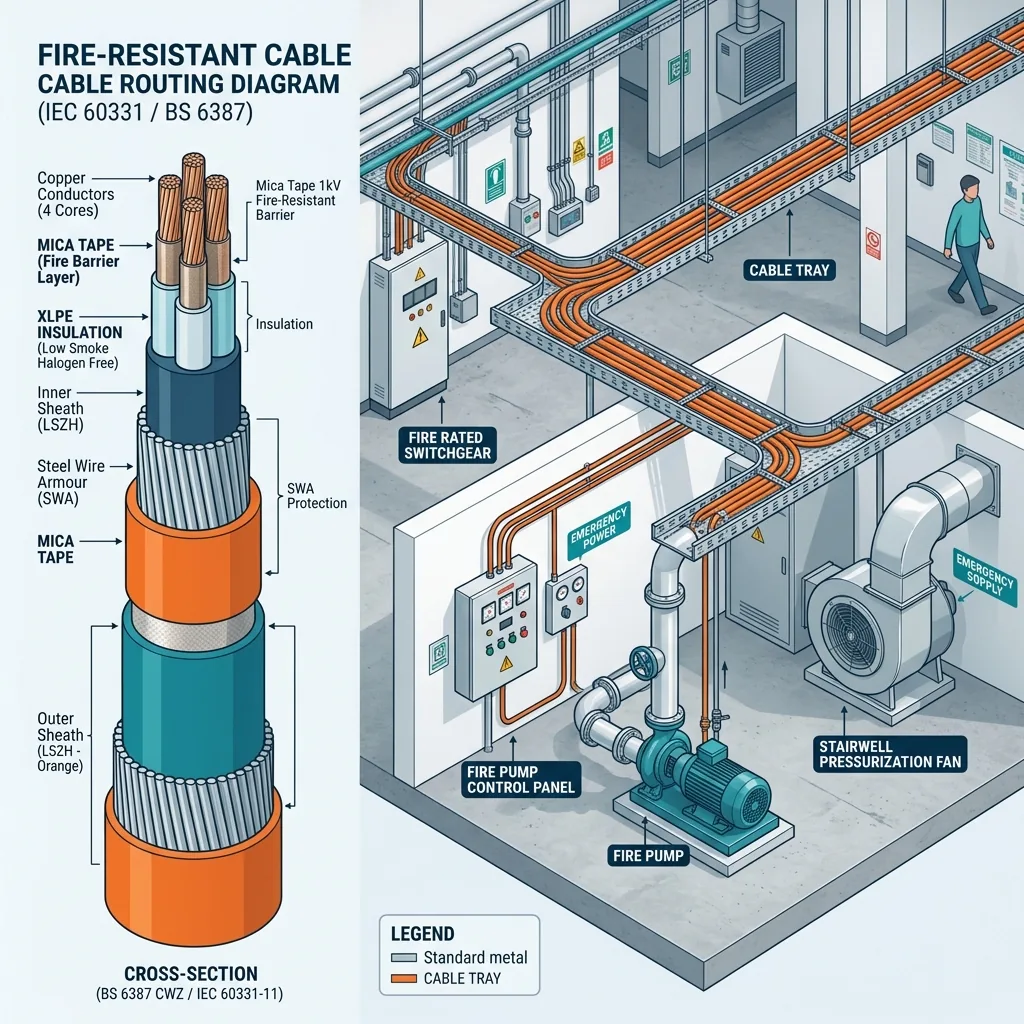
Selection criteria for mica tape FRC cables, comparing Flame Retardant vs Fire Resistant types, BS 6387 CWZ standards, and voltage drop calculations during fire emergencies.
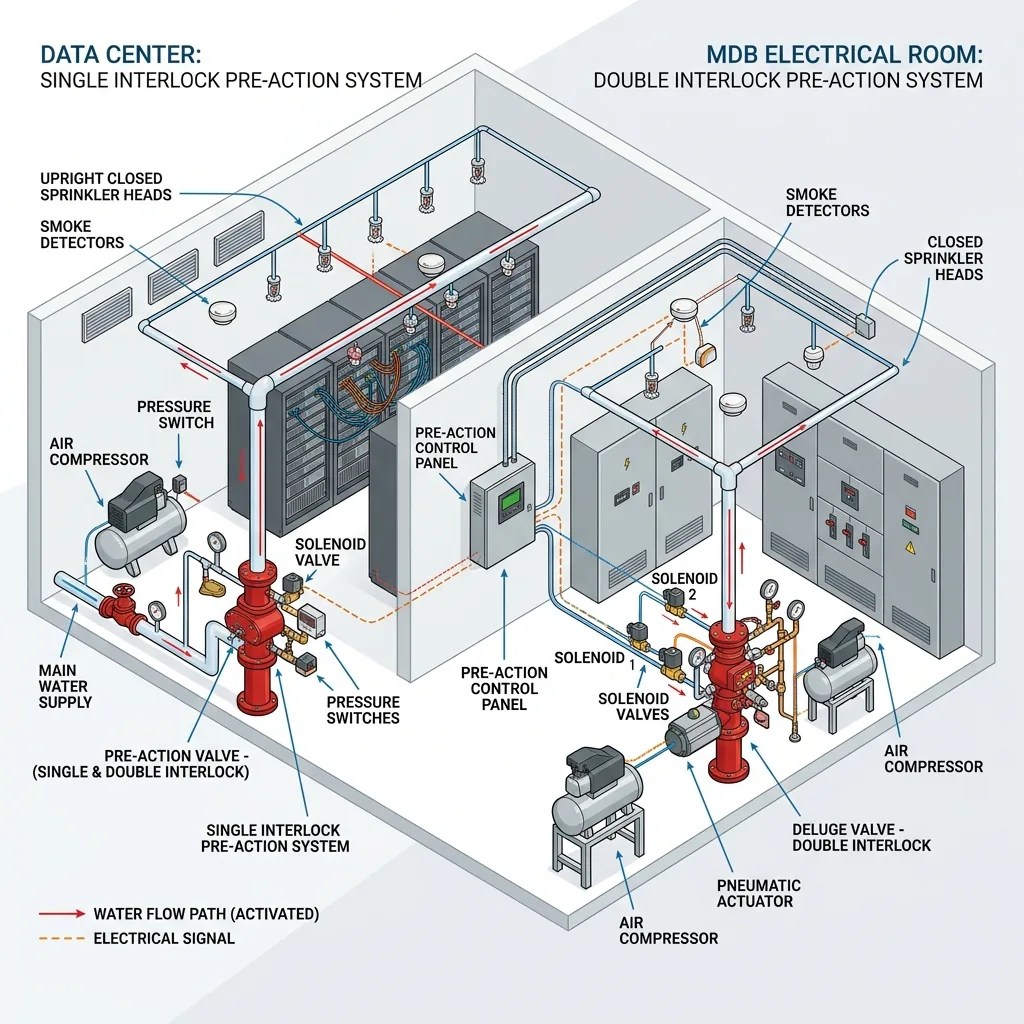
Engineering breakdown of pre-action sprinkler systems under NFPA 13. Explaining interlock logic between smoke detectors and sprinkler heads to prevent accidental water damage.
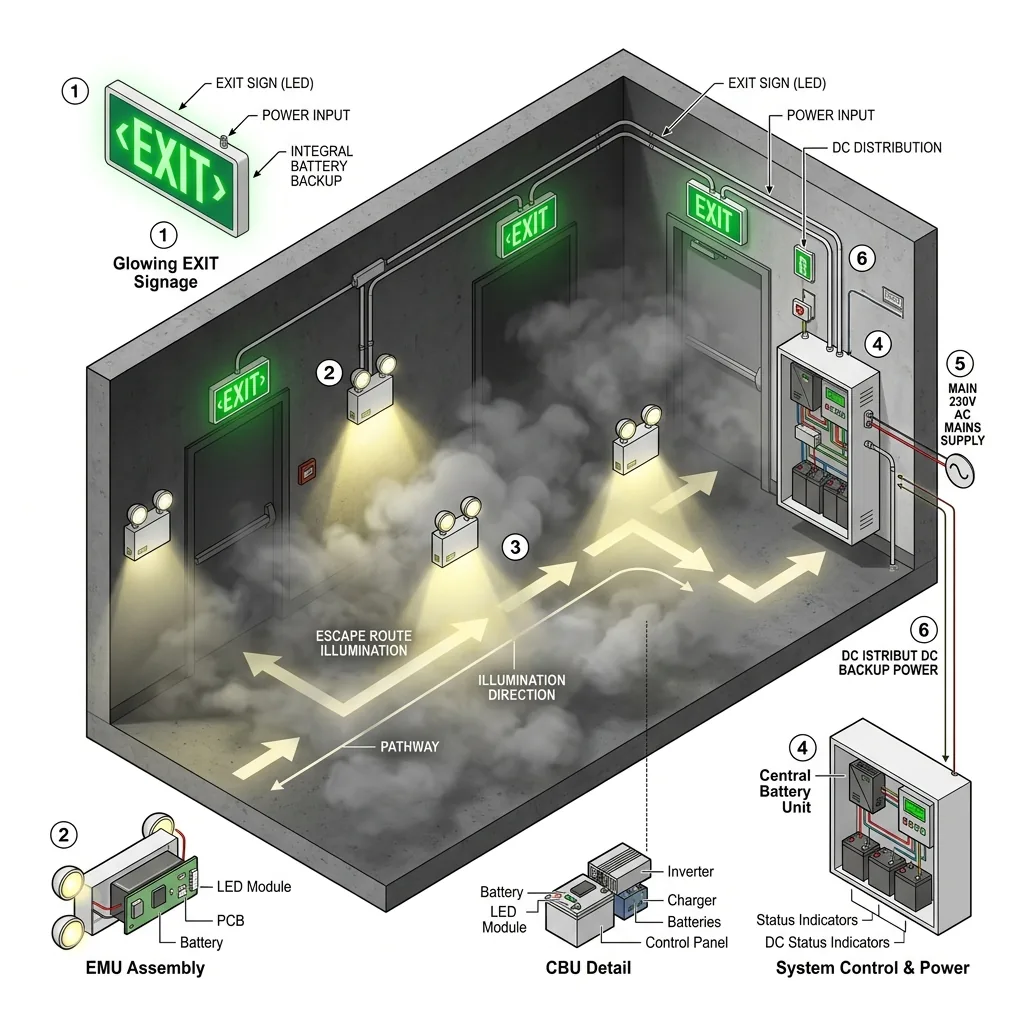
Life safety standards: 10.8 Lux minimum floor illumination, 40:1 max-to-min uniformity ratio, 90-minute battery backup autonomy, and Central Battery System setup.
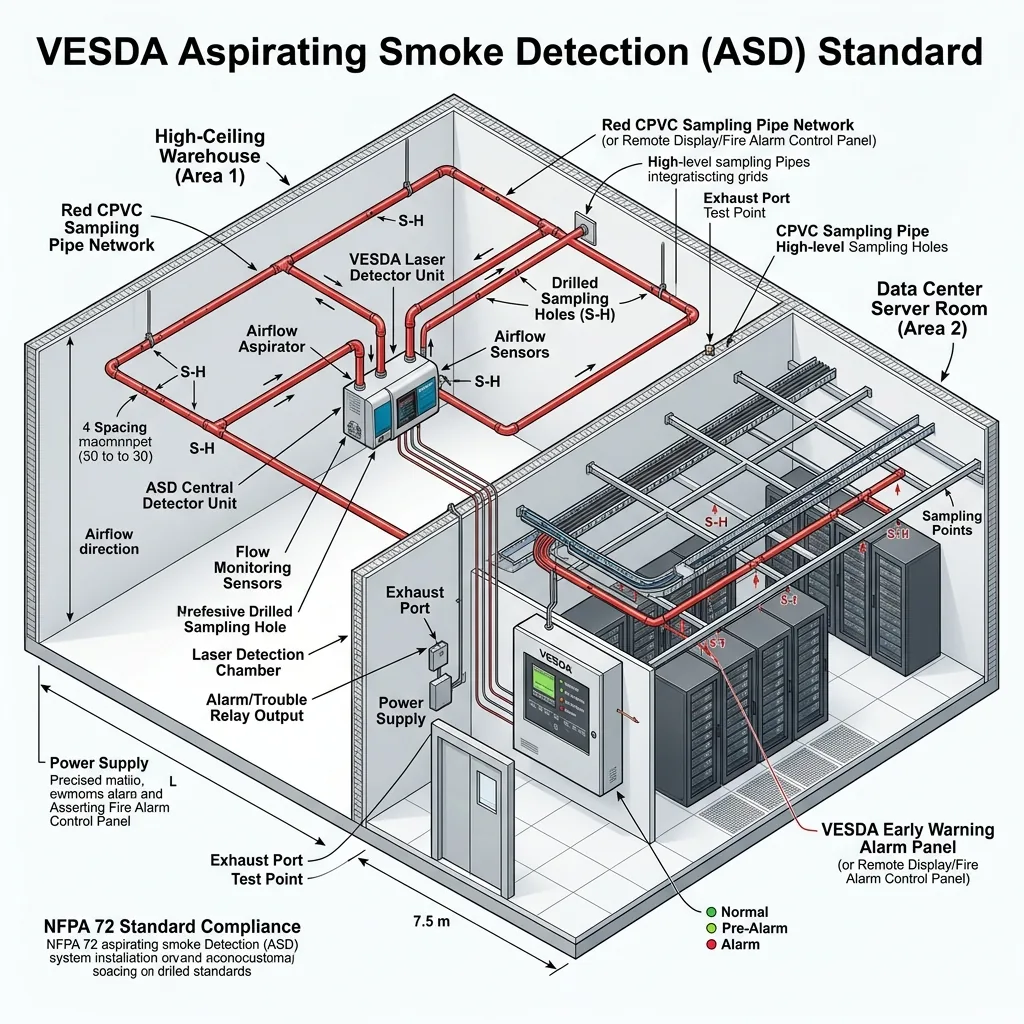
Laser-based aspirating smoke detection capable of sensing micro-combustion particles 1,000 times earlier than traditional spot detectors in high-airflow IT rooms.
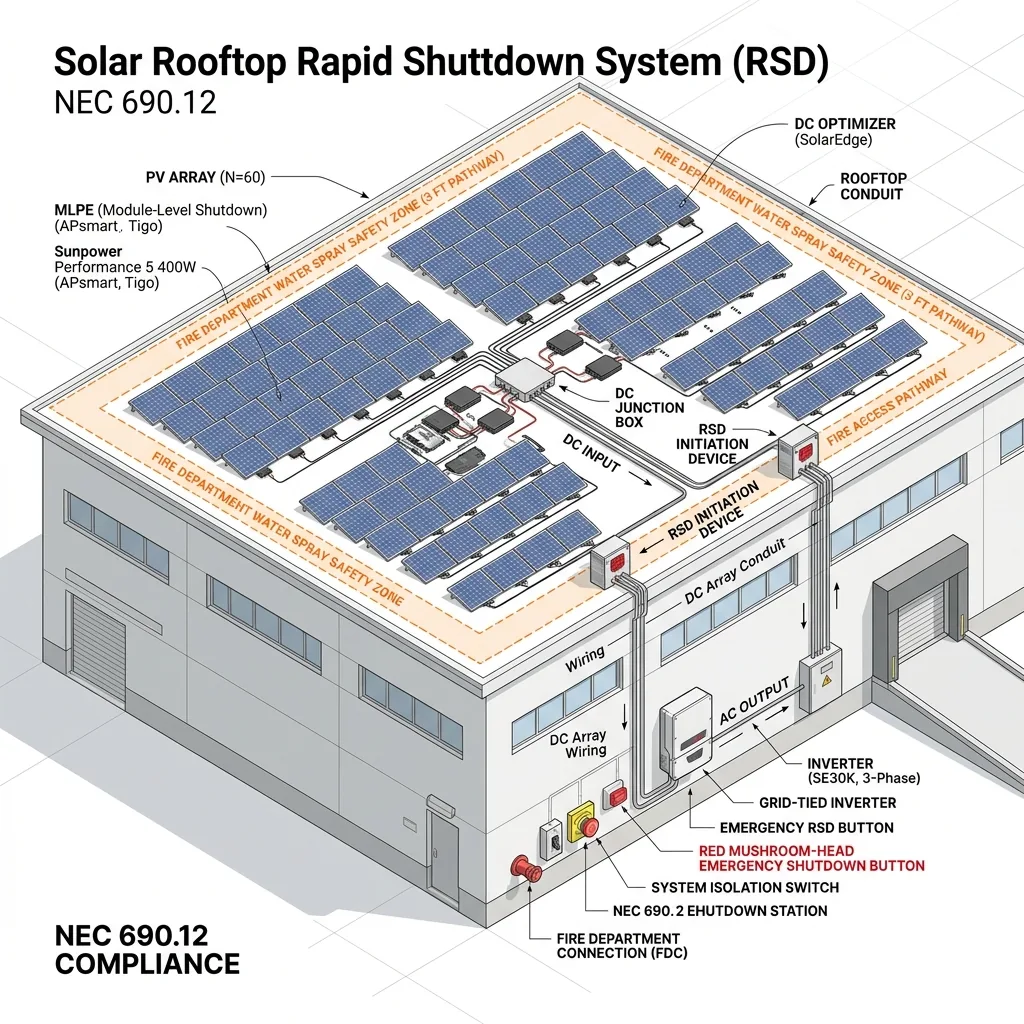
De-energize rooftop DC conductors down to below 30V within 30 seconds during emergency fire response, complying with NEC 690.12 and EIT electrical codes.
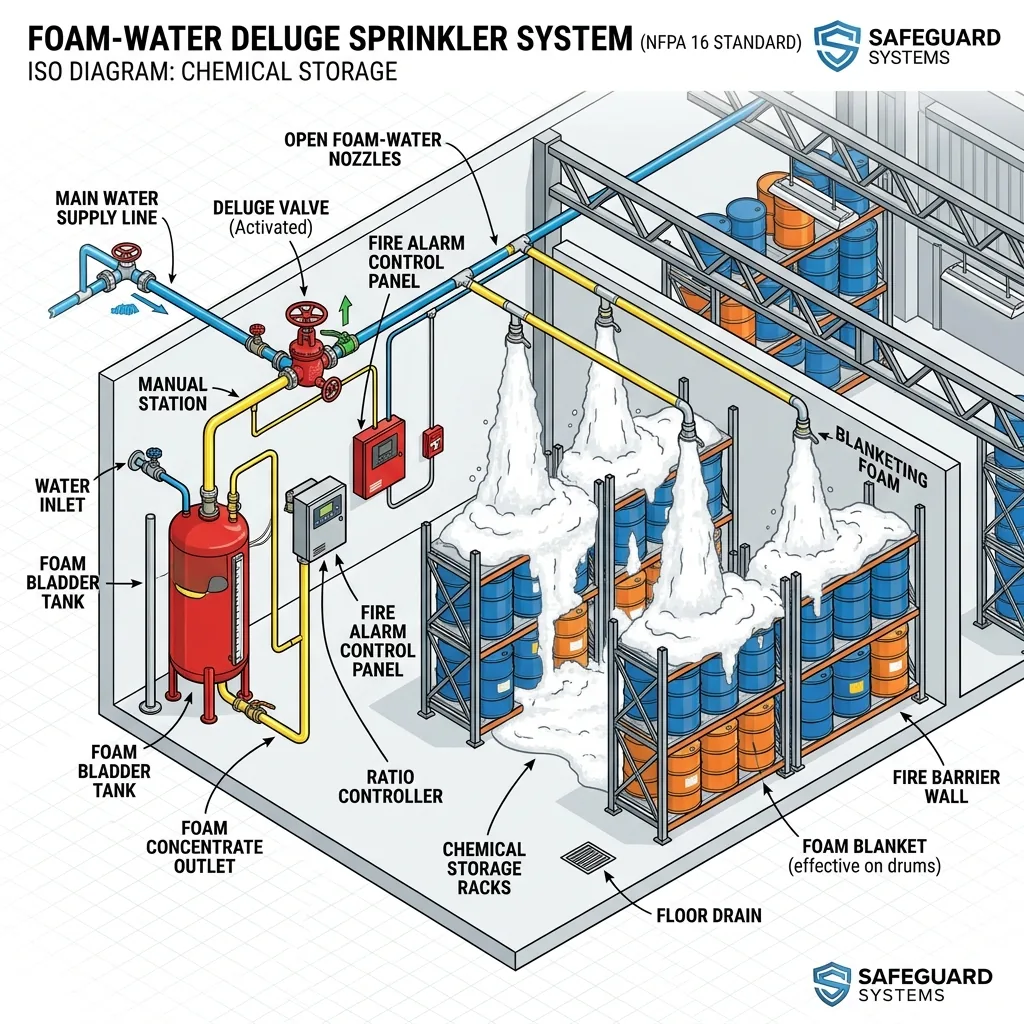
Design principles for AFFF/Fluorine-Free foam proportioning systems (Bladder Tank, Ratio Controller) for Class B flammable liquid hazards.
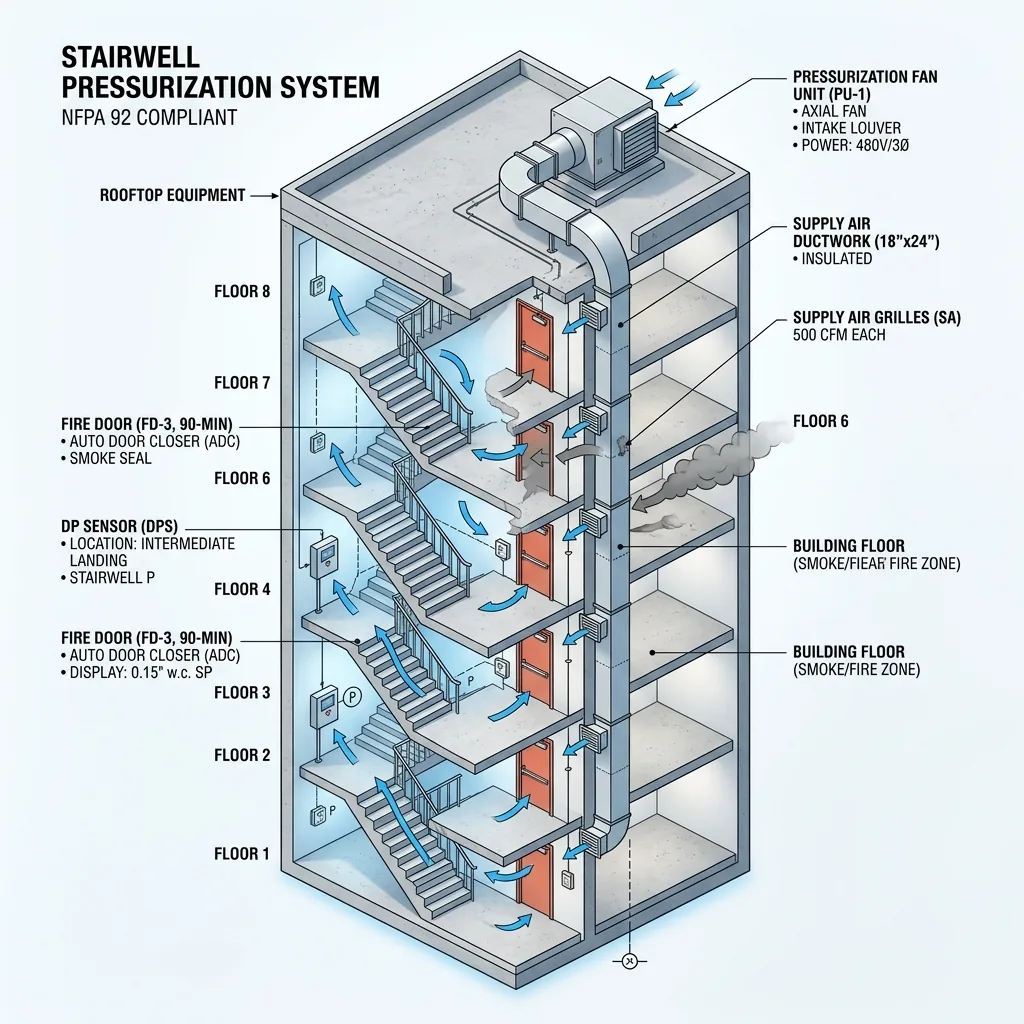
Engineering controls to maintain 25-50 Pa positive differential pressure in high-rise escape stairwells, blocking toxic smoke penetration.
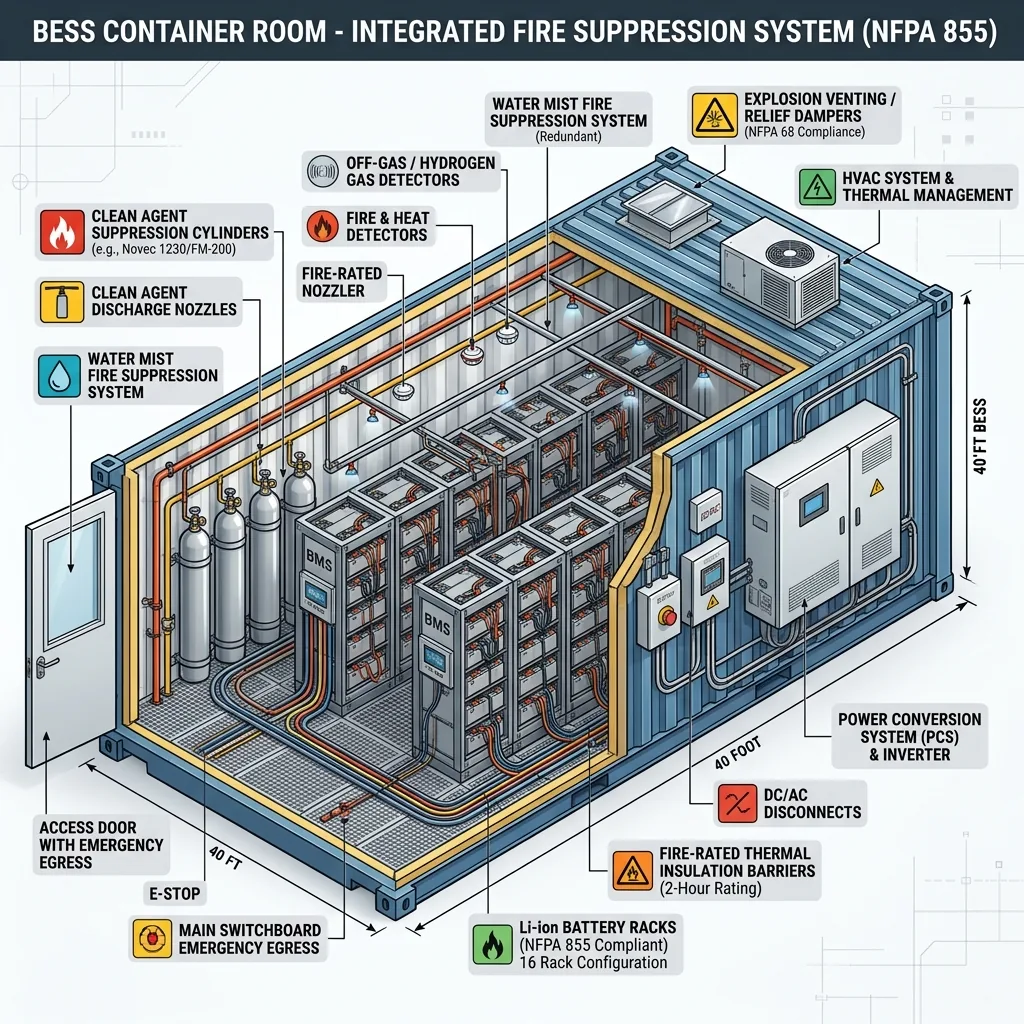
Prevent thermal runaway chain reactions in Li-ion BESS containers using off-gas detection, Novec 1230 clean agents, and water deluge cooling.
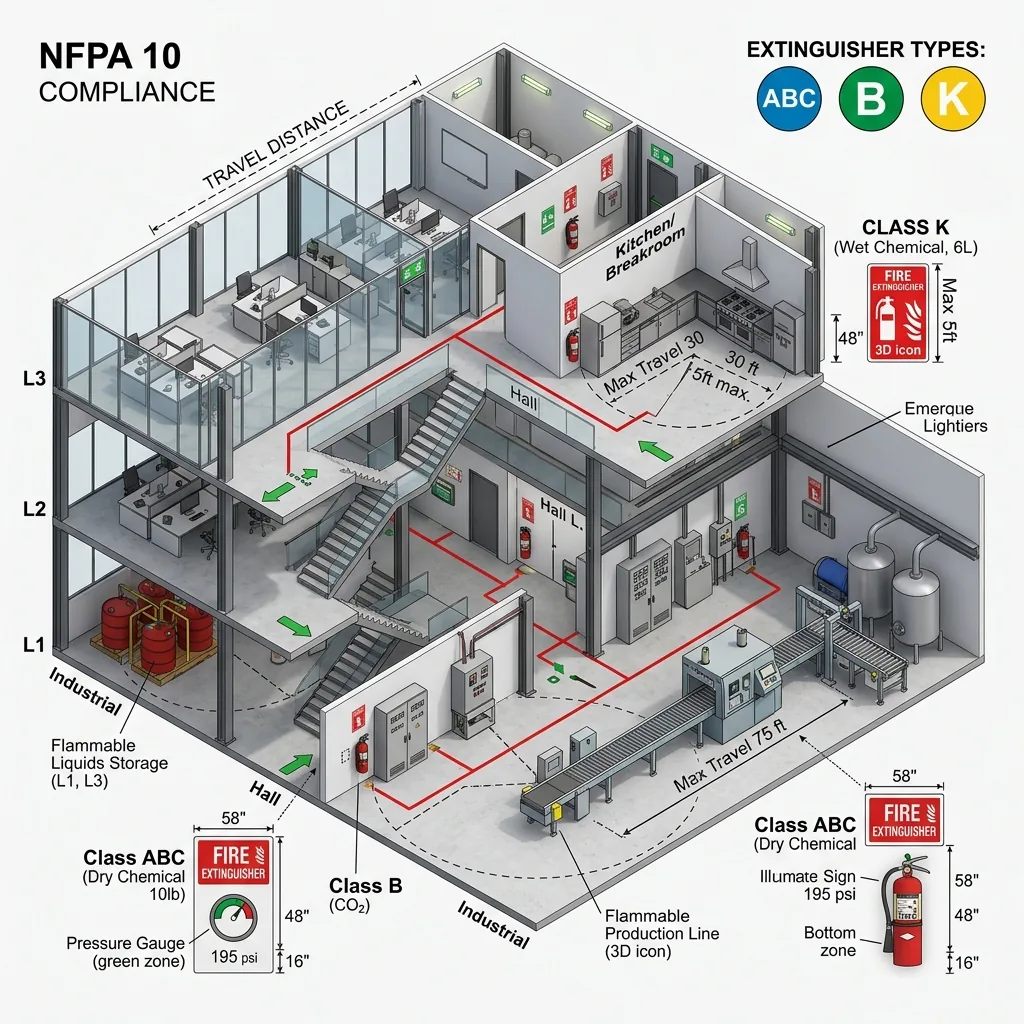
Matching Class A, B, C, D, K fire extinguishers to facility risks, travel distance limits, mounting heights, and annual hydro-testing schedules.
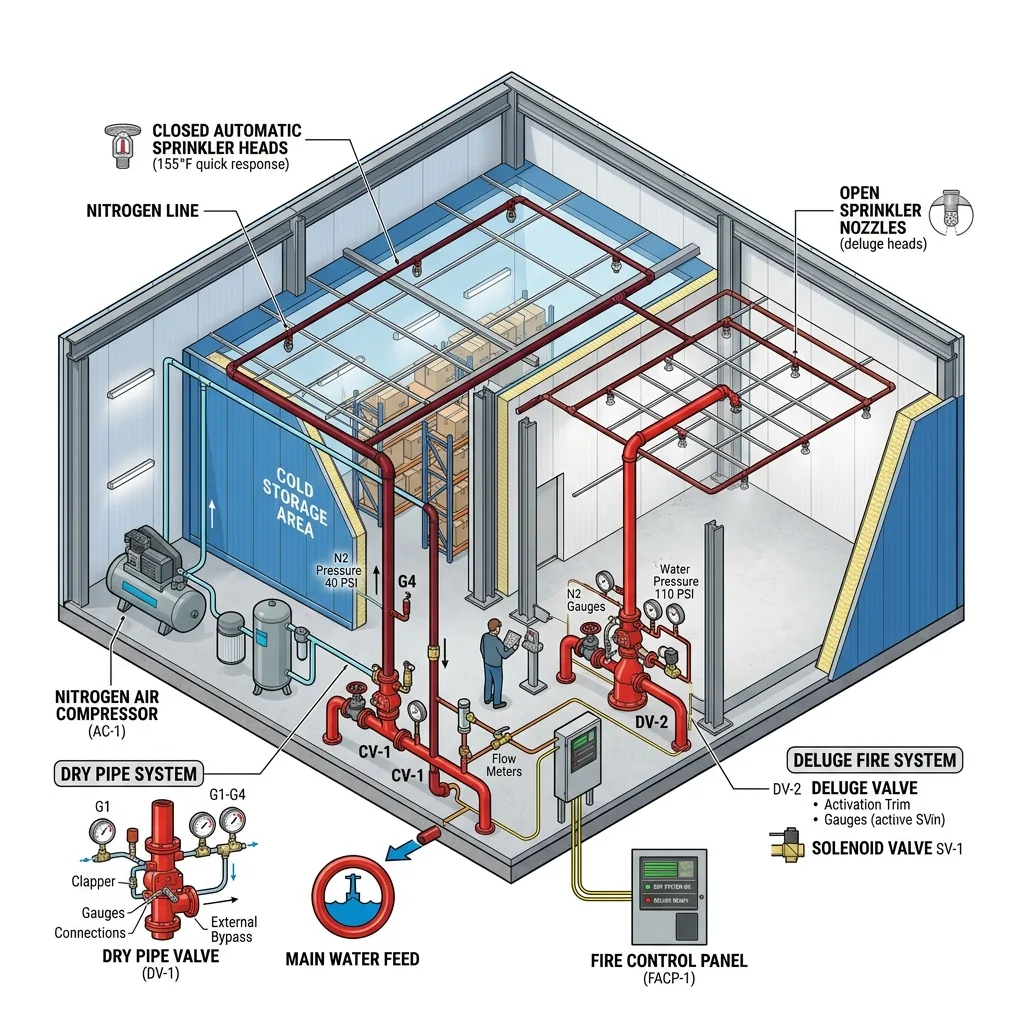
Prevent frozen pipe bursts in sub-zero freezer warehouses using pressurized nitrogen gas dry-pipe valves and ESFR quick-response heads.
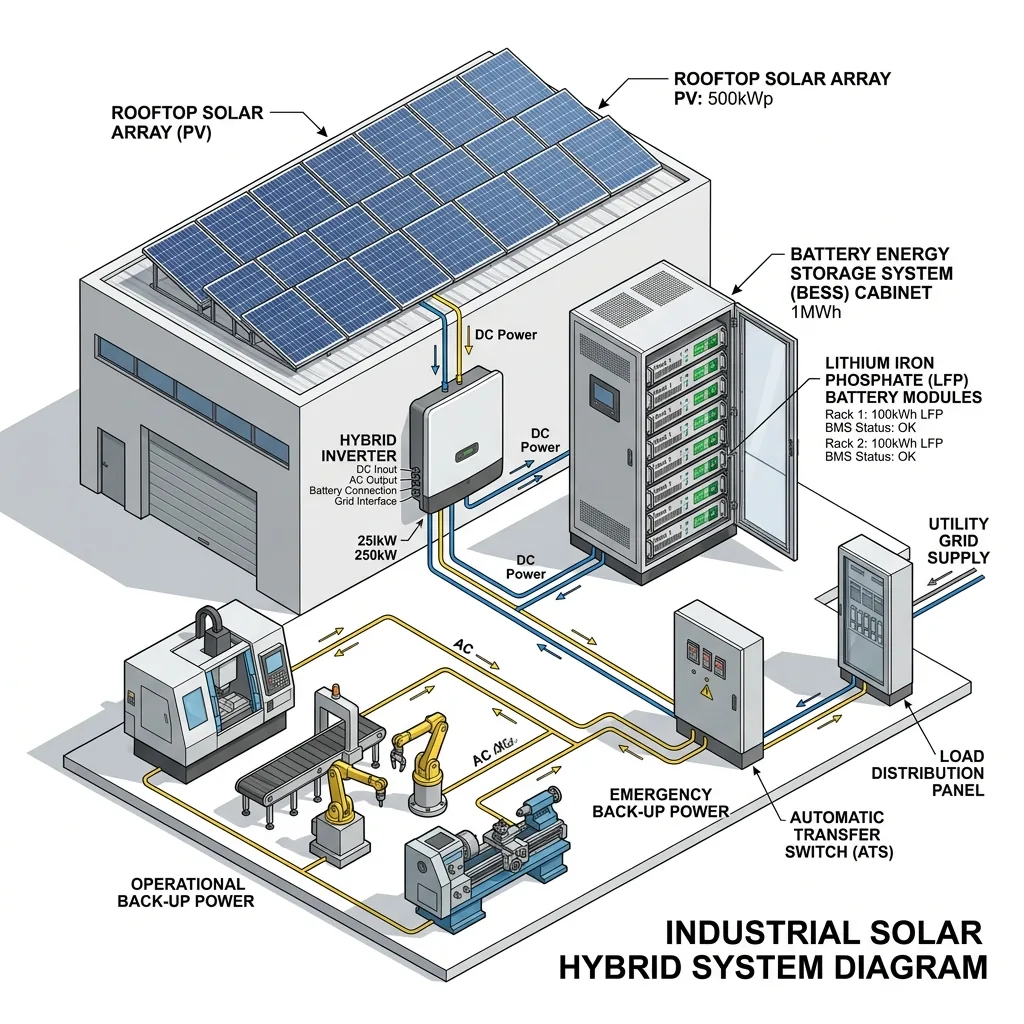
Calculate battery capacity (kWh) and hybrid inverter rating (kW) to shave TOU peak electricity demand charges and ensure uninterrupted power supply.
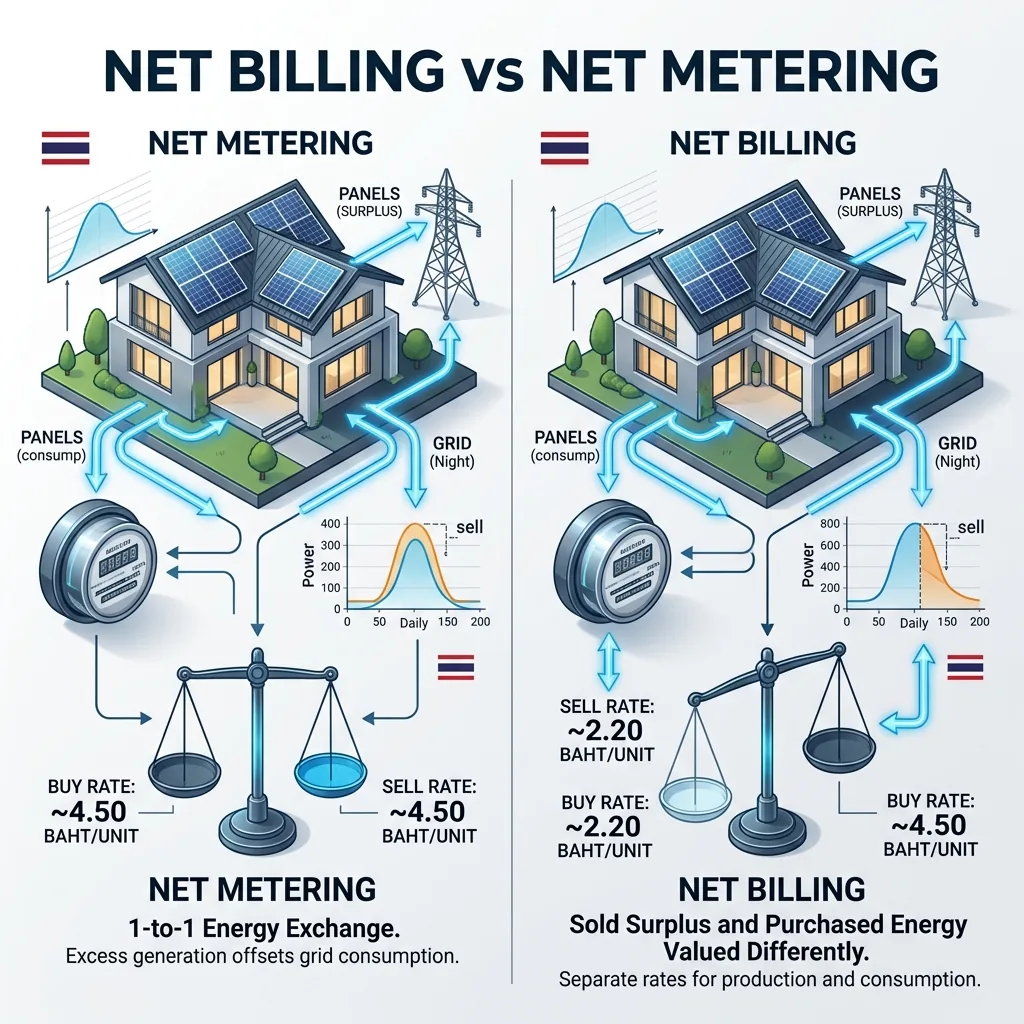
Step-by-step roadmap for PEA, MEA, and ERC utility interconnection licenses, transformer capacity limits (15-30%), and Zero Export controller rules.
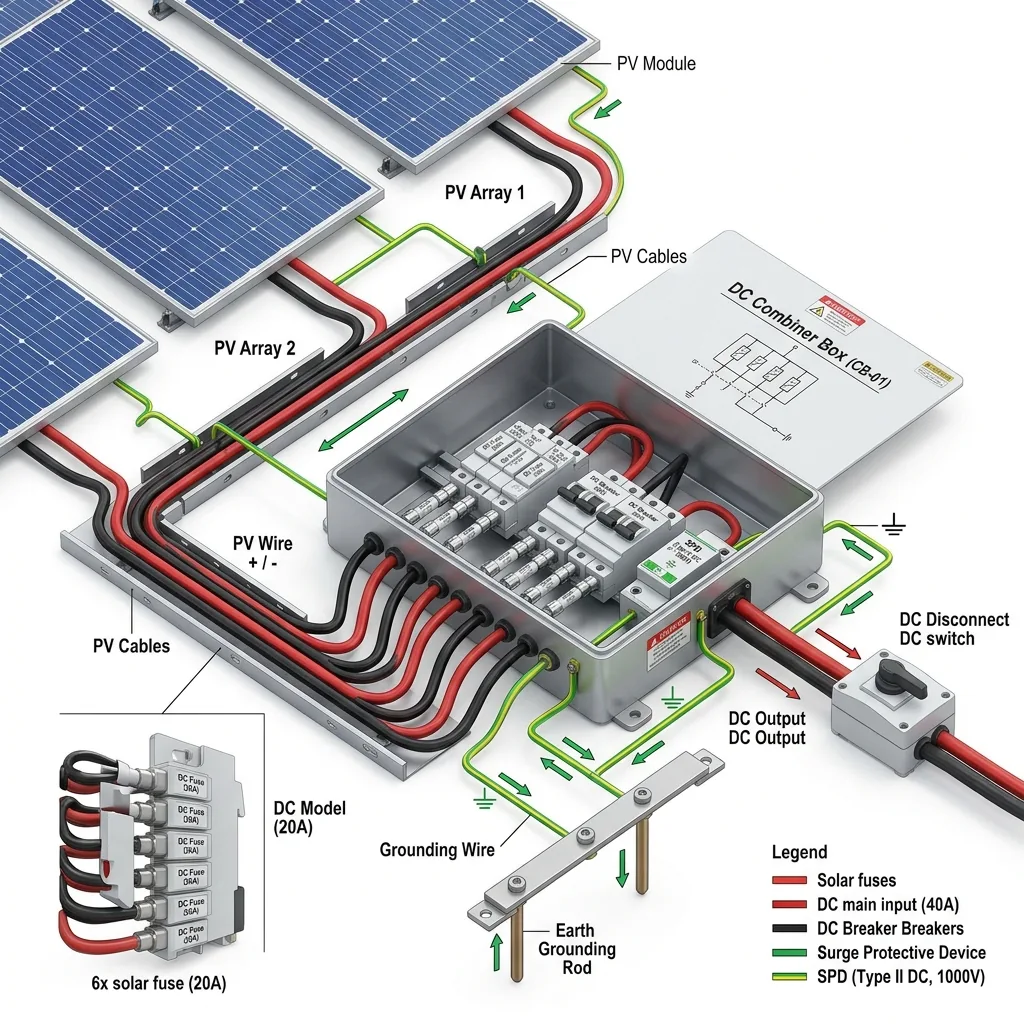
Cross-linked halogen-free PV cable selection, MC4 connector crimping standards, and avoiding DC arc flash fires on industrial roofs.
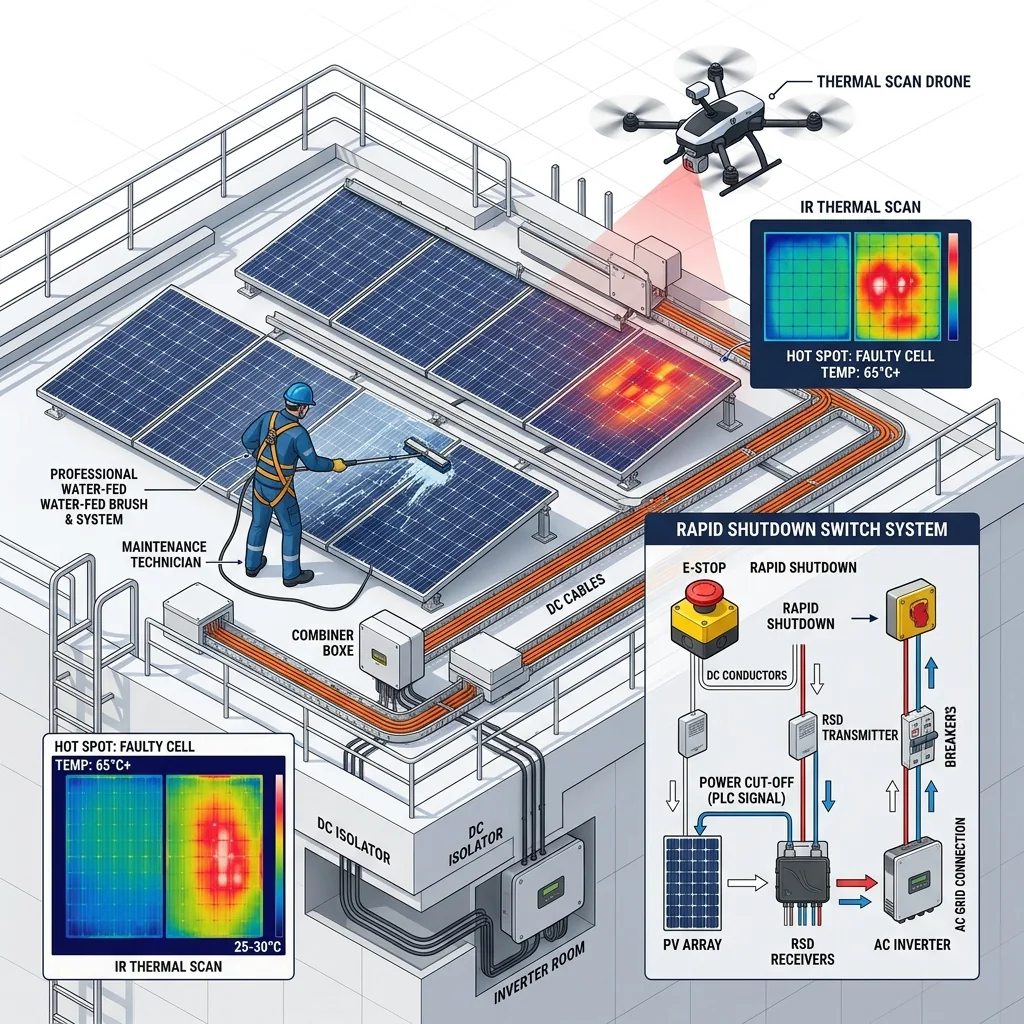
Annual O&M procedures: thermal drone thermography inspections, IV curve tracing, fall protection lifelines, and de-ionized water washing.
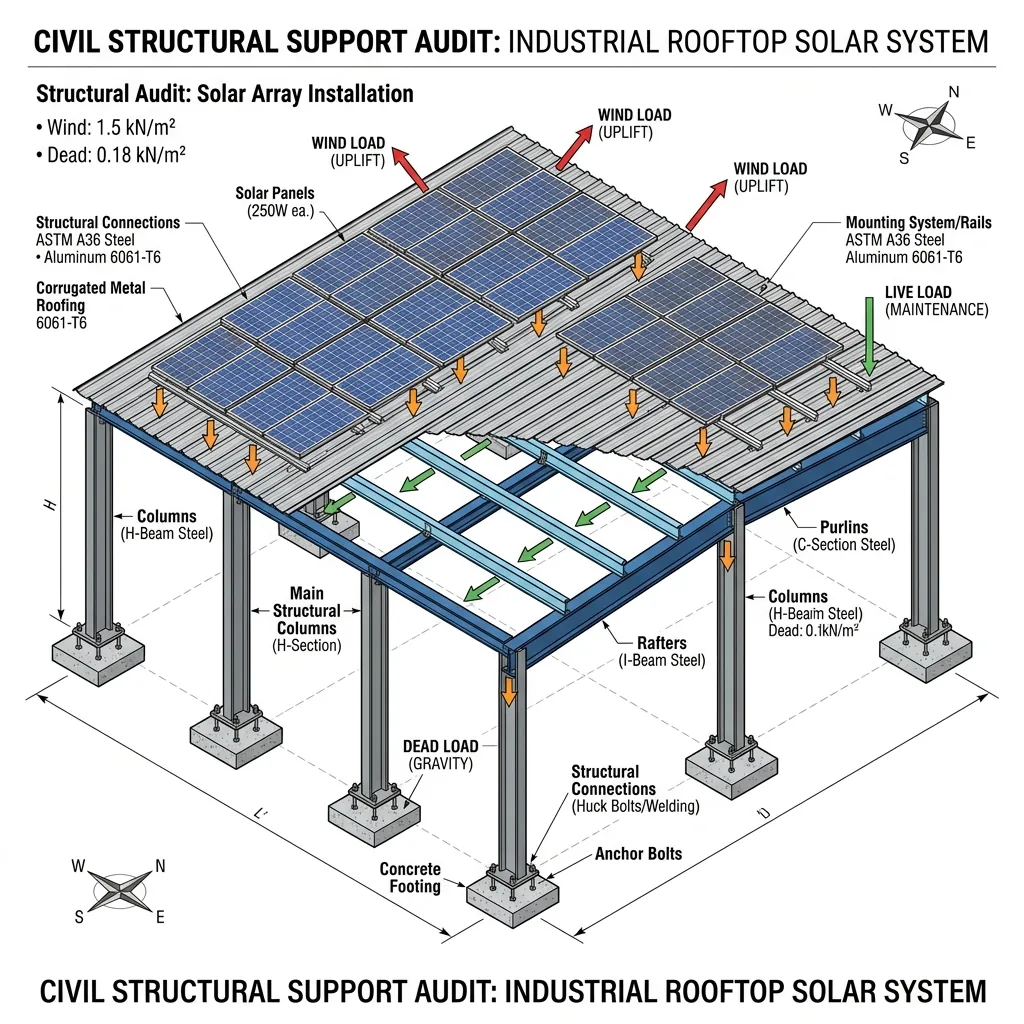
Licensed structural engineering audit: evaluating metal sheet roof purlin stress, concrete slab dead load limits, and wind uplift resistance.
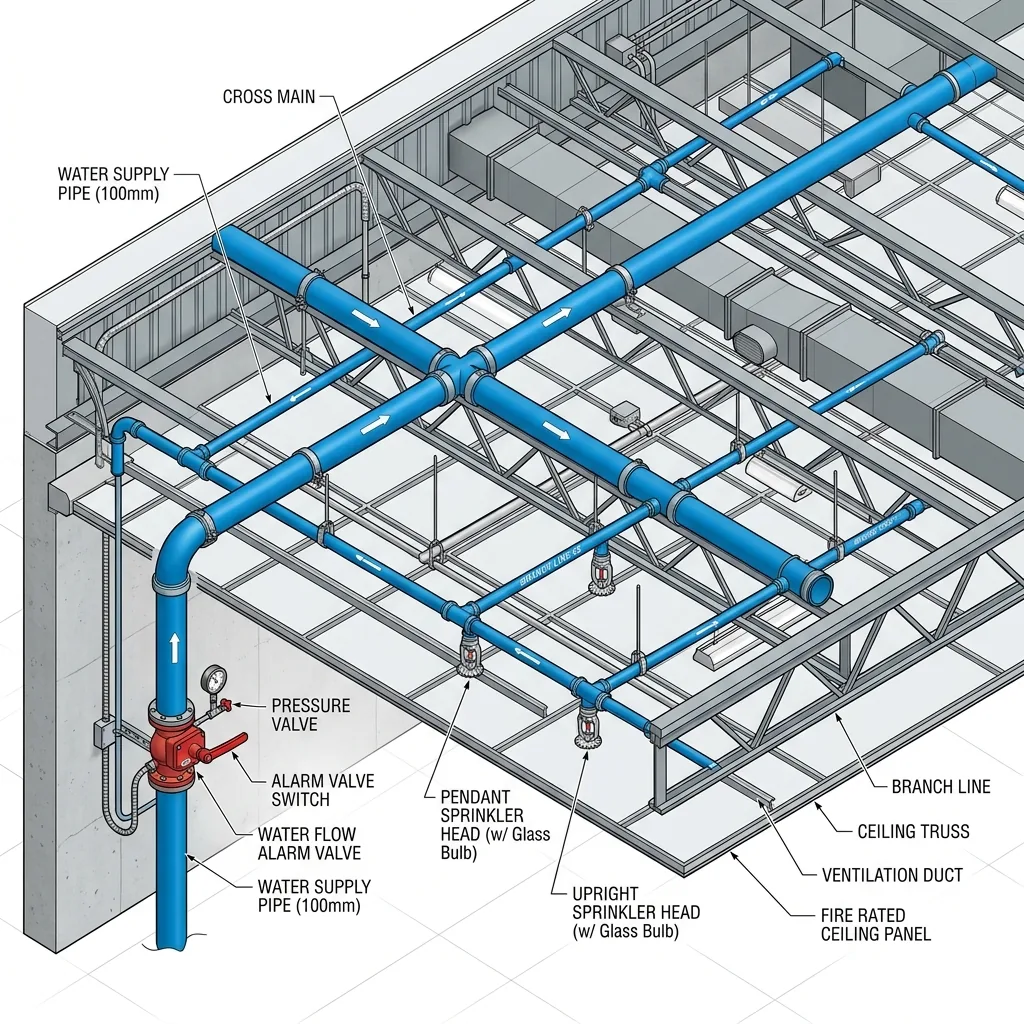
Hydraulic pipe sizing, hazard classifications (Light, Ordinary, Extra Hazard), K-factor selection, and annual NFPA 25 flow testing.
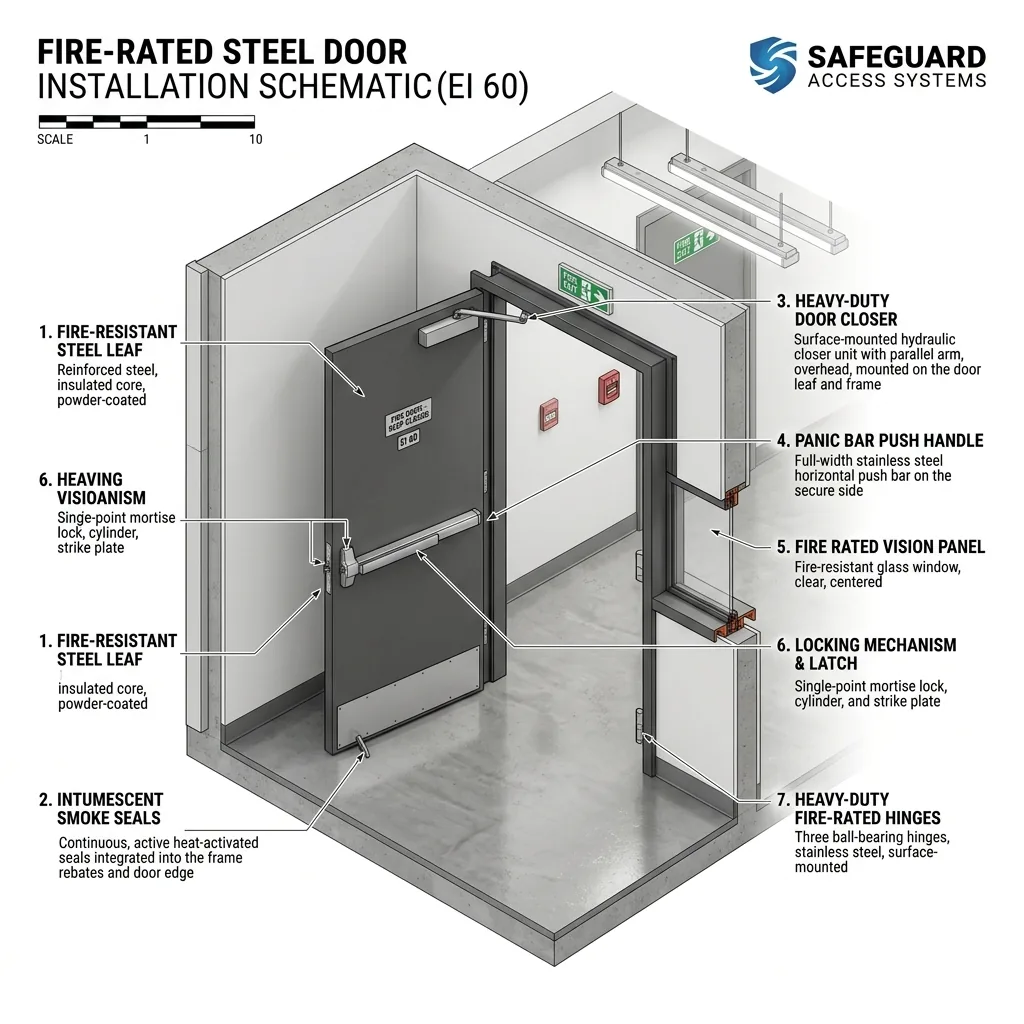
1-hour to 3-hour fire door endurance ratings, intumescent smoke seal gaskets, heavy-duty panic bars, and annual inspection protocols.
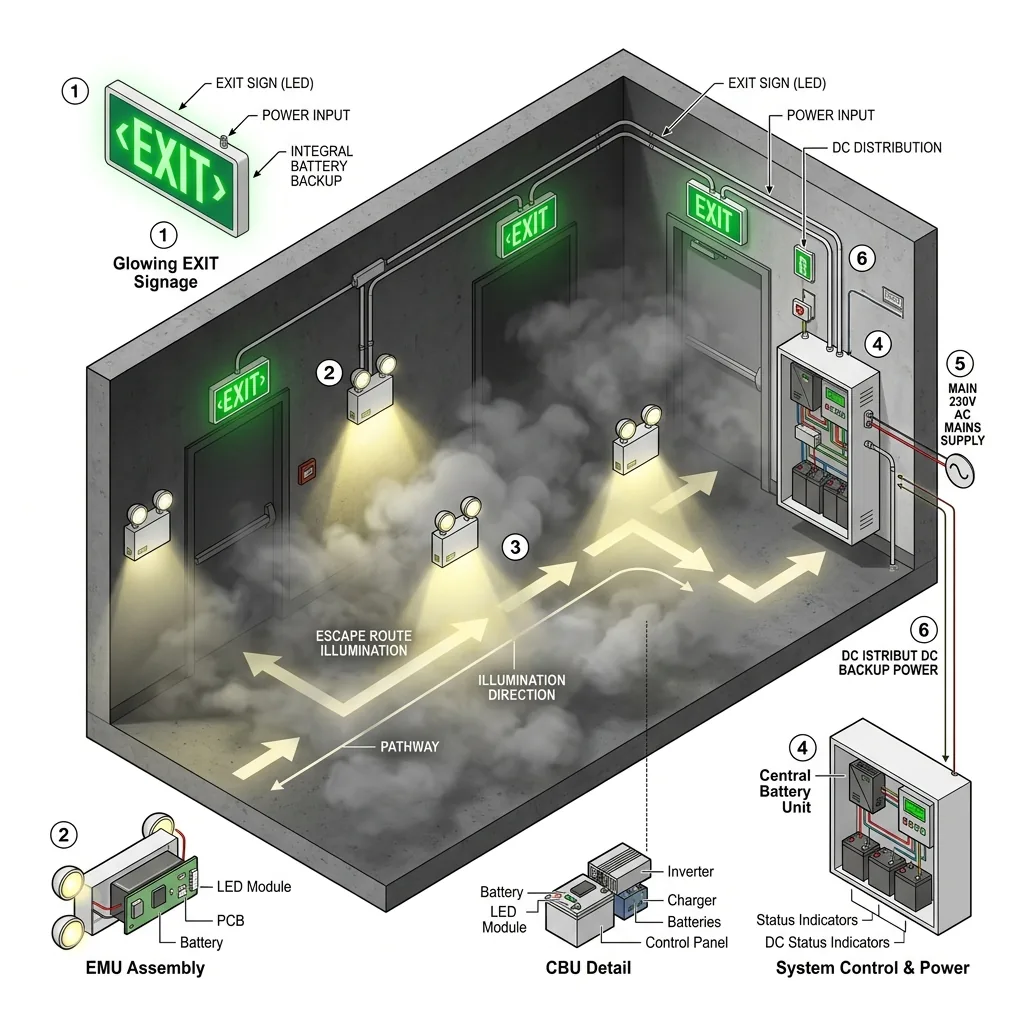
Ensuring continuous 90-minute battery illumination along escape routes, exit sign photometrics, and monthly functional push-button testing.
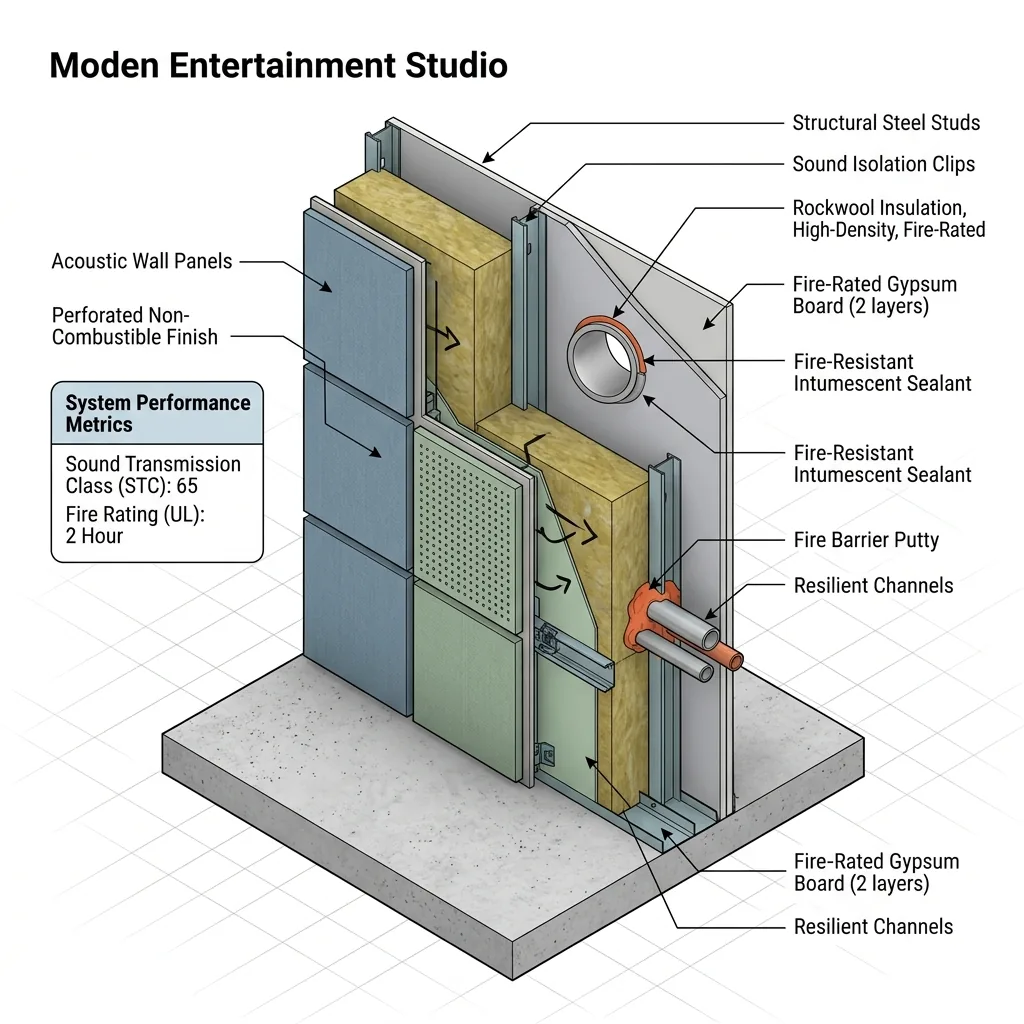
Analyzing rapid fire spread risks of polyurethane acoustic foam, ASTM E84 Class A flame spread ratings, and non-combustible sound insulation alternatives.
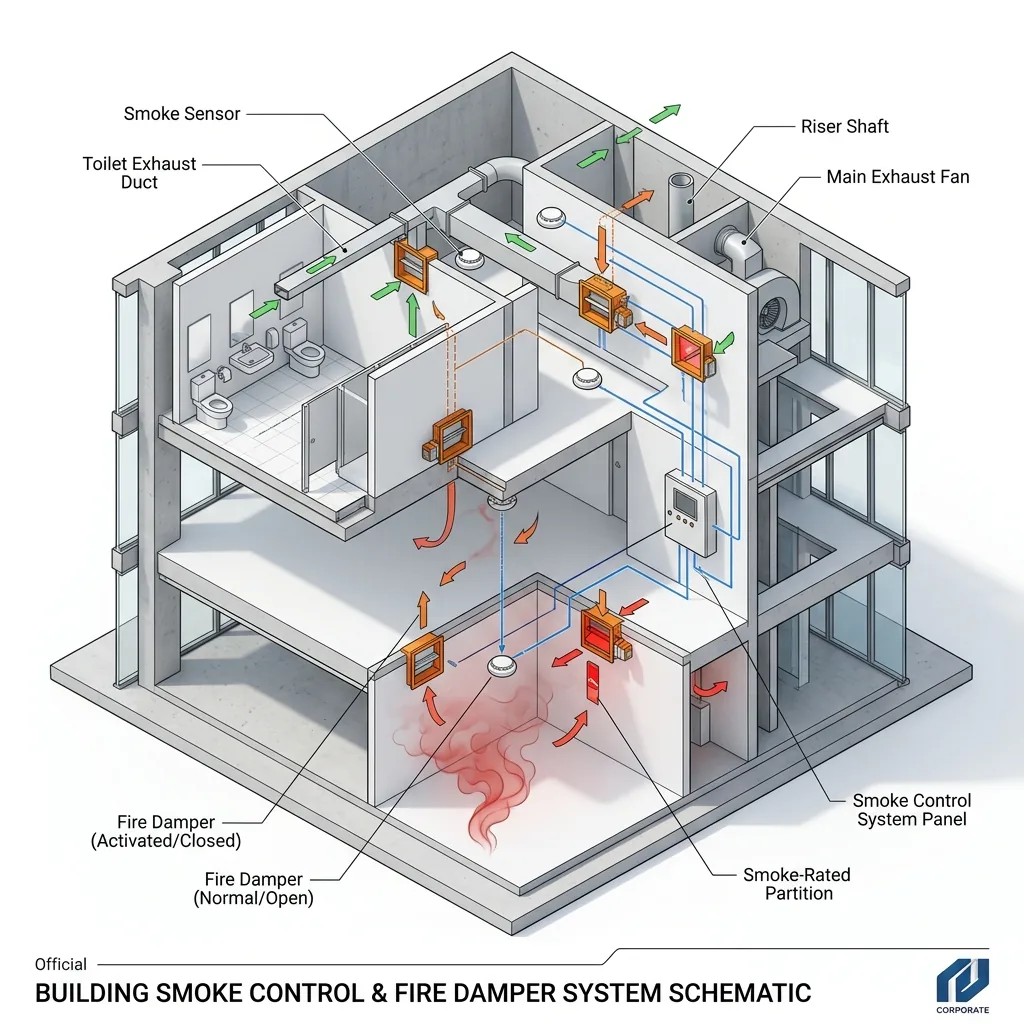
Engineering analysis of fire trap risks in public restrooms: missing notification strobes, locked doors, and lack of secondary smoke evacuation pathways.
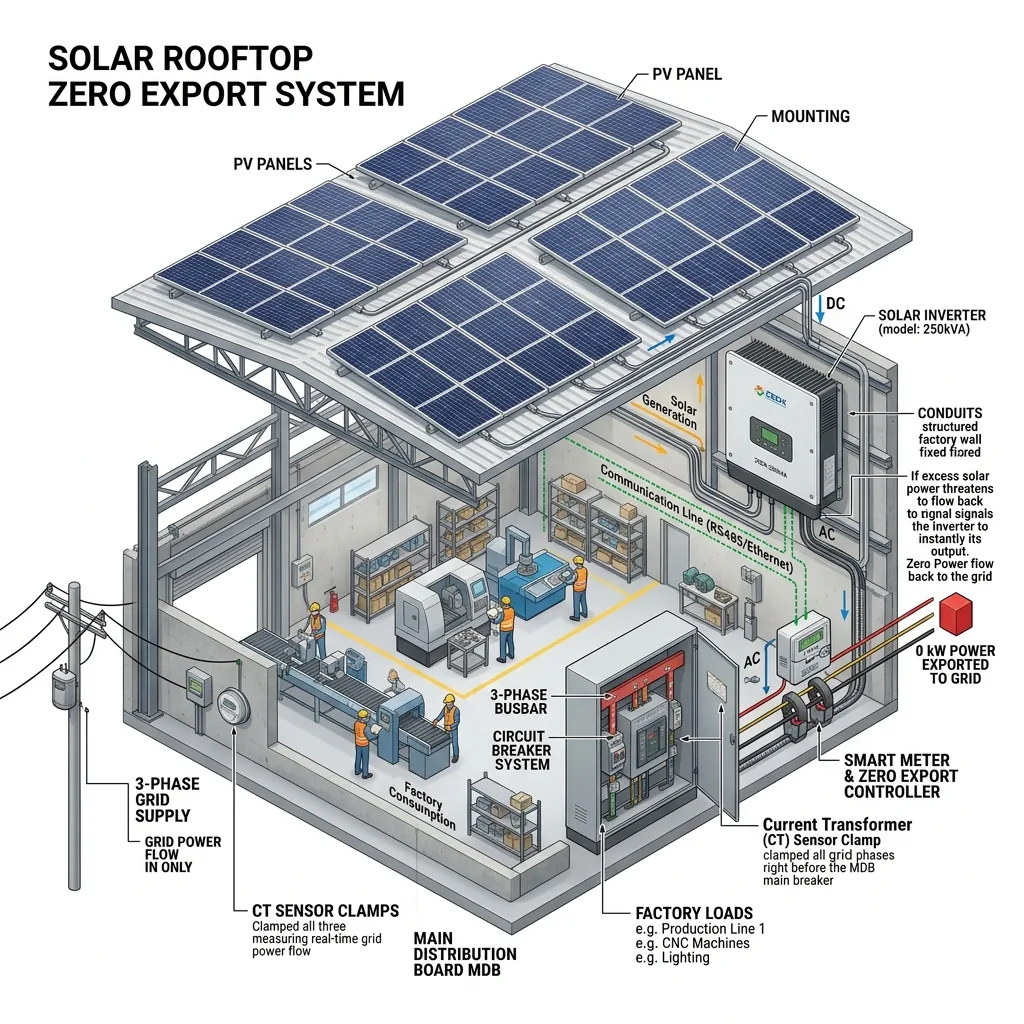
Preventing reverse power flow into the grid using smart power meters and high-speed Modbus RTU inverter power curtailment.
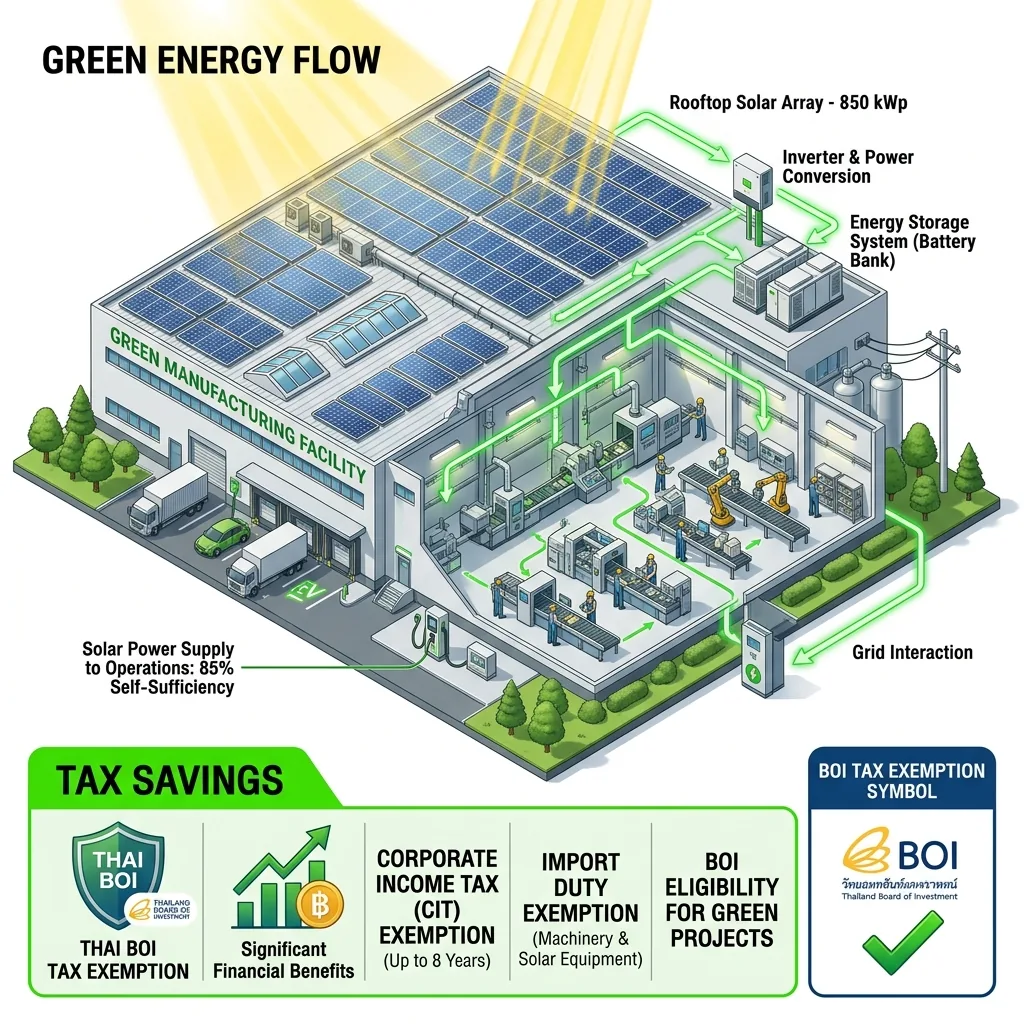
Unlocking 50% Corporate Income Tax (CIT) exemption under BOI energy efficiency measures, reducing payback period to 3-4 years.
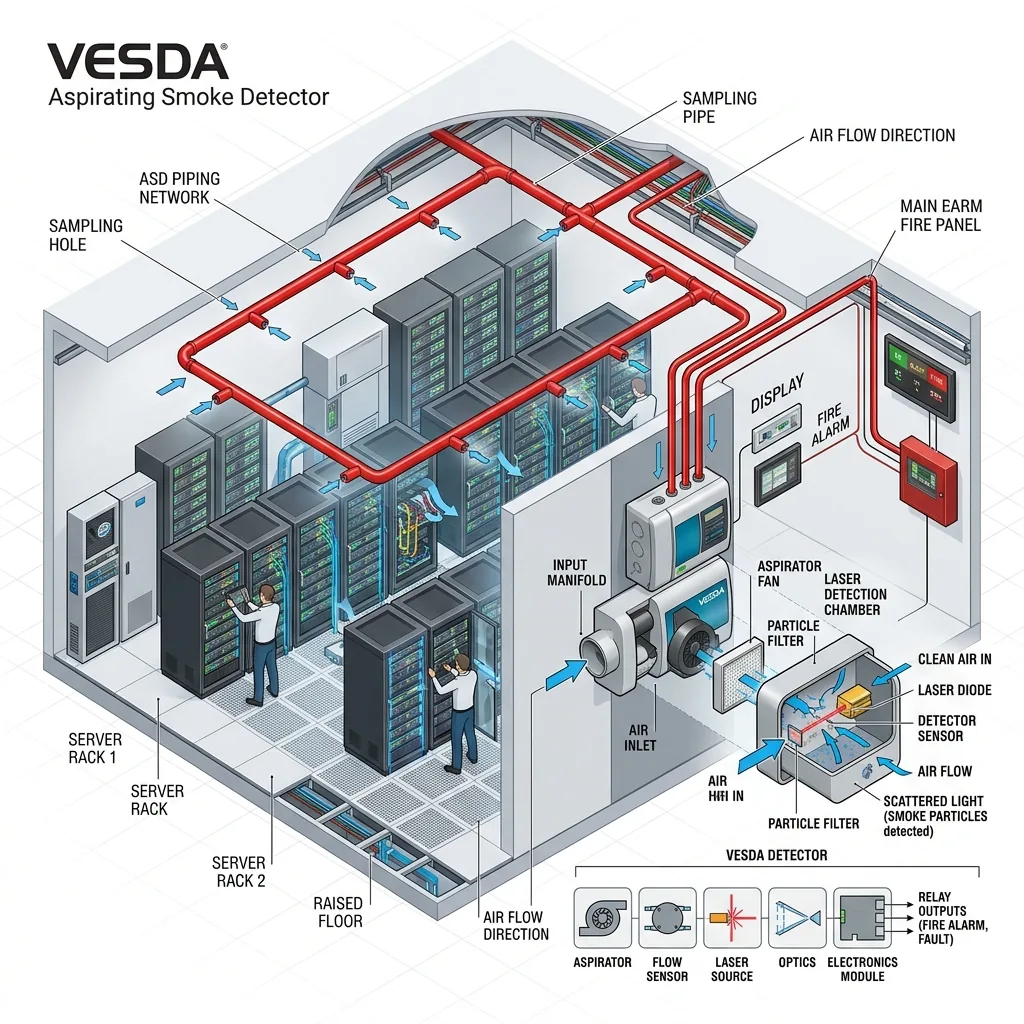
Comparing laser ASD pipe networks with optical spot detectors in cleanrooms, cold storage, and high-ceiling atrium environments.
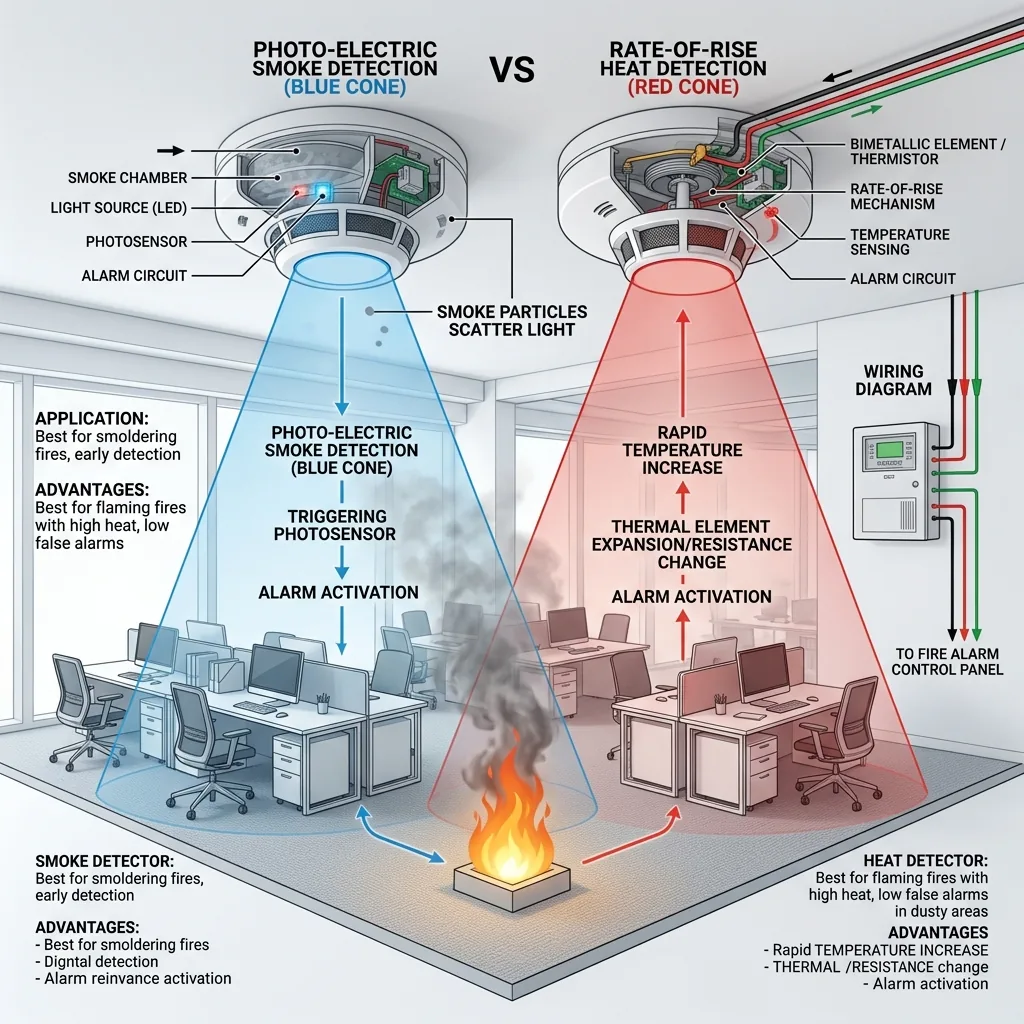
Engineering decision matrix: when to install optical smoke detectors, ionization sensors, rate-of-rise heat sensors, or fixed temperature probes.
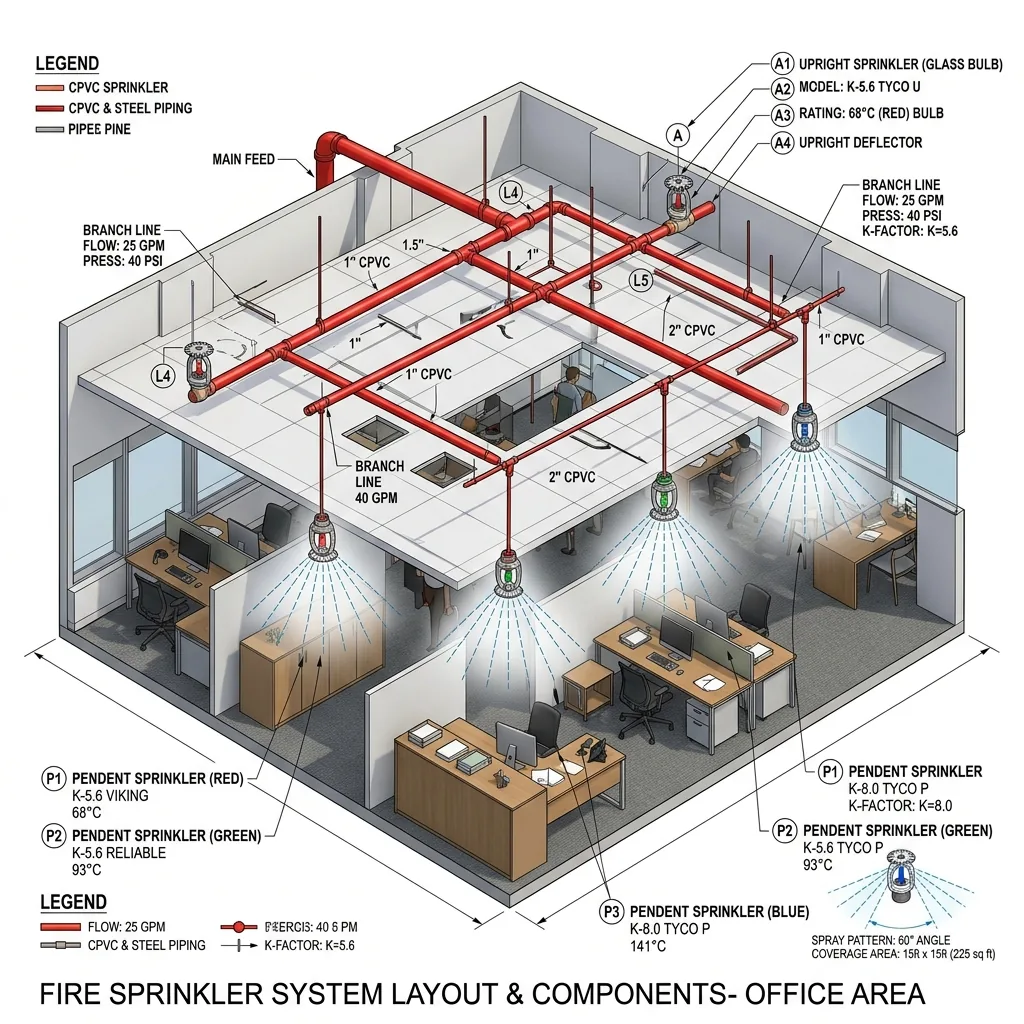
Selecting glass bulb temperature ratings (68°C to 141°C), orifice K-factors (K5.6 to K25.2), and quick response vs standard response heads.
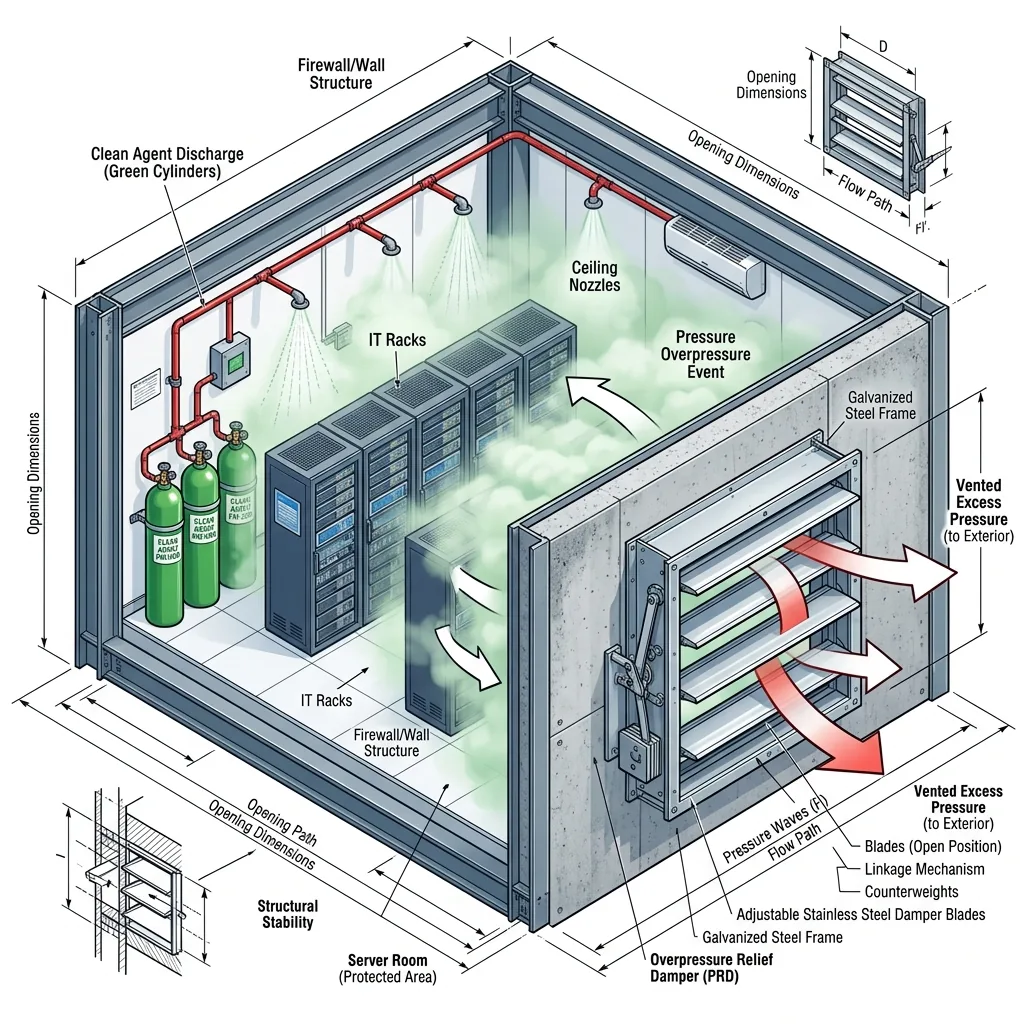
Calculating vent area (m²) to prevent structural wall blowout during high-pressure gaseous clean agent (Novec 1230 / Nitrogen) discharge.
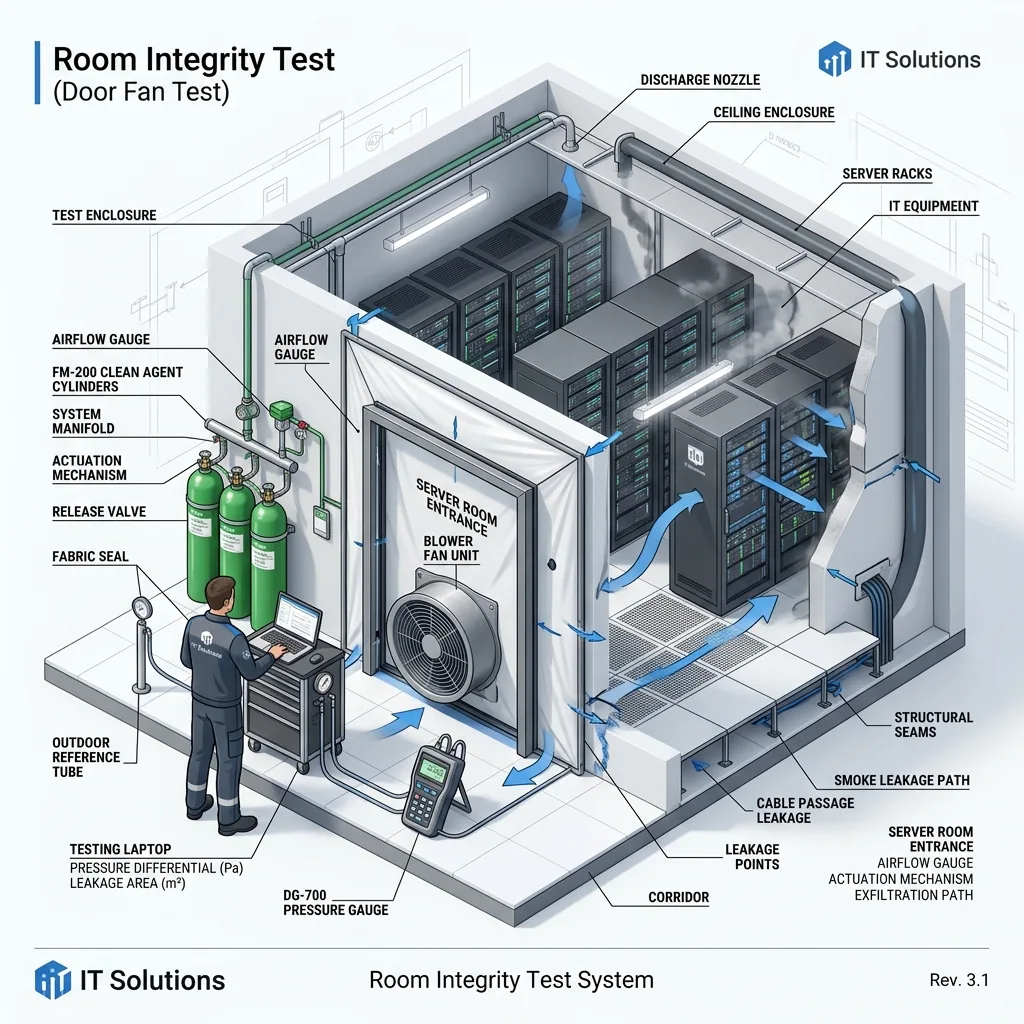
Standardized fan pressurization procedure to measure lower-leakage area and guarantee 10-minute gas concentration hold time.
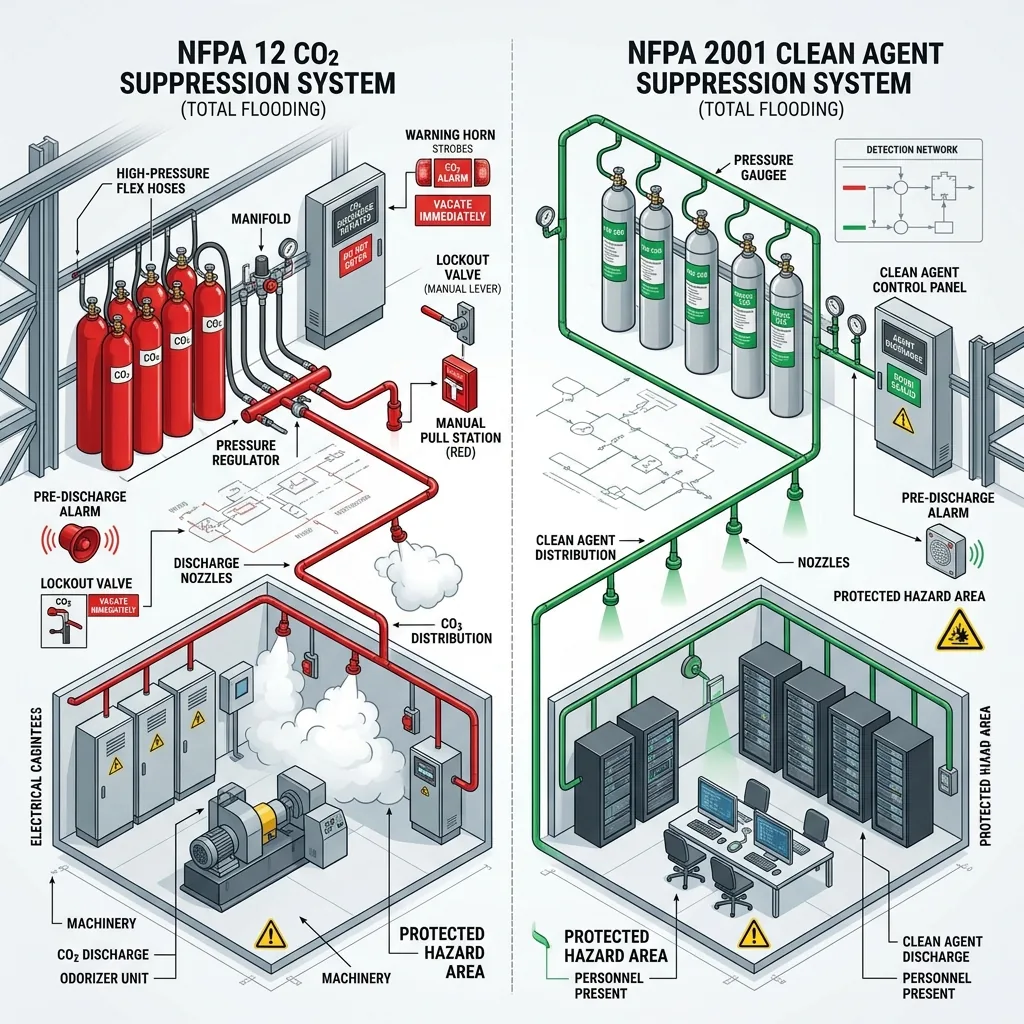
Comparing lethal CO2 total flooding hazards with safe human-occupancy clean agents (Novec 1230, FM-200, IG-100 Nitrogen).
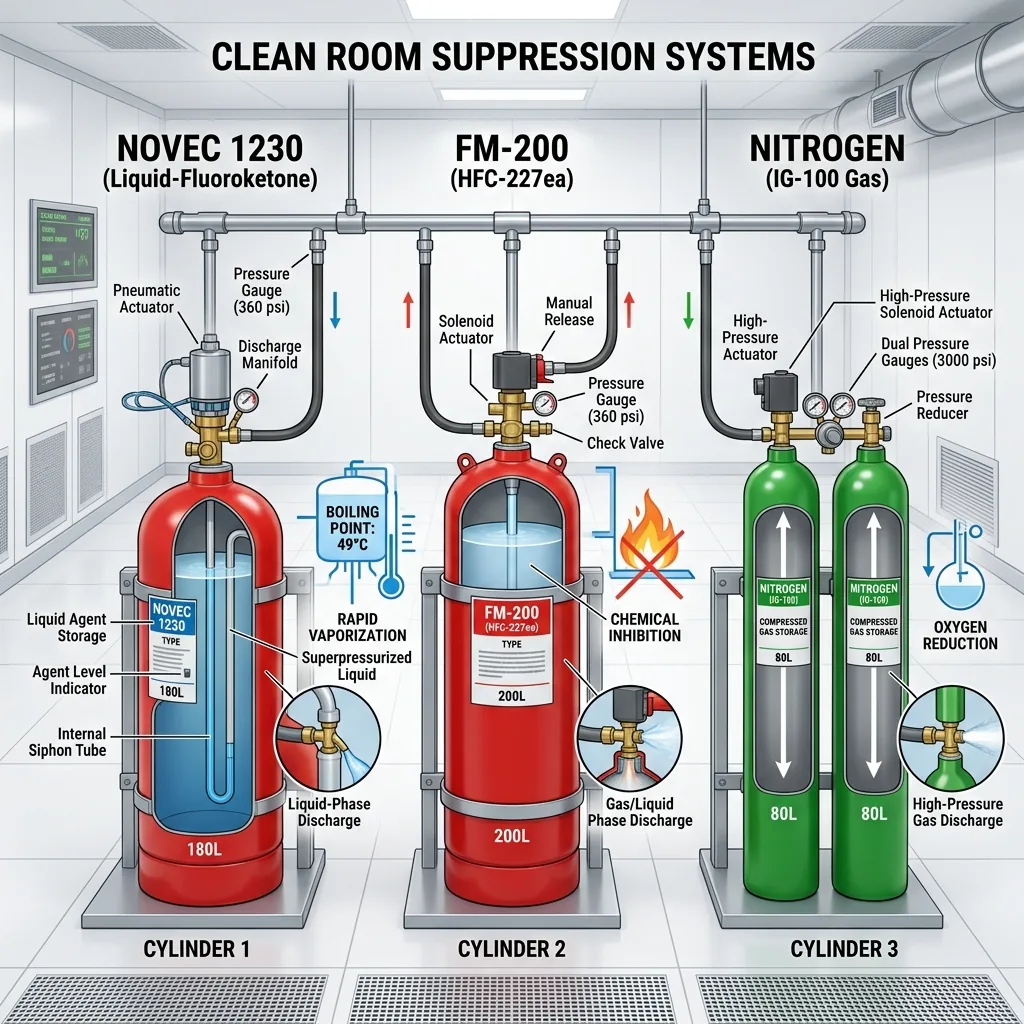
Comprehensive technical comparison: environmental GWP profiles, cylinder storage footprints, cost per m³, and discharge durations.
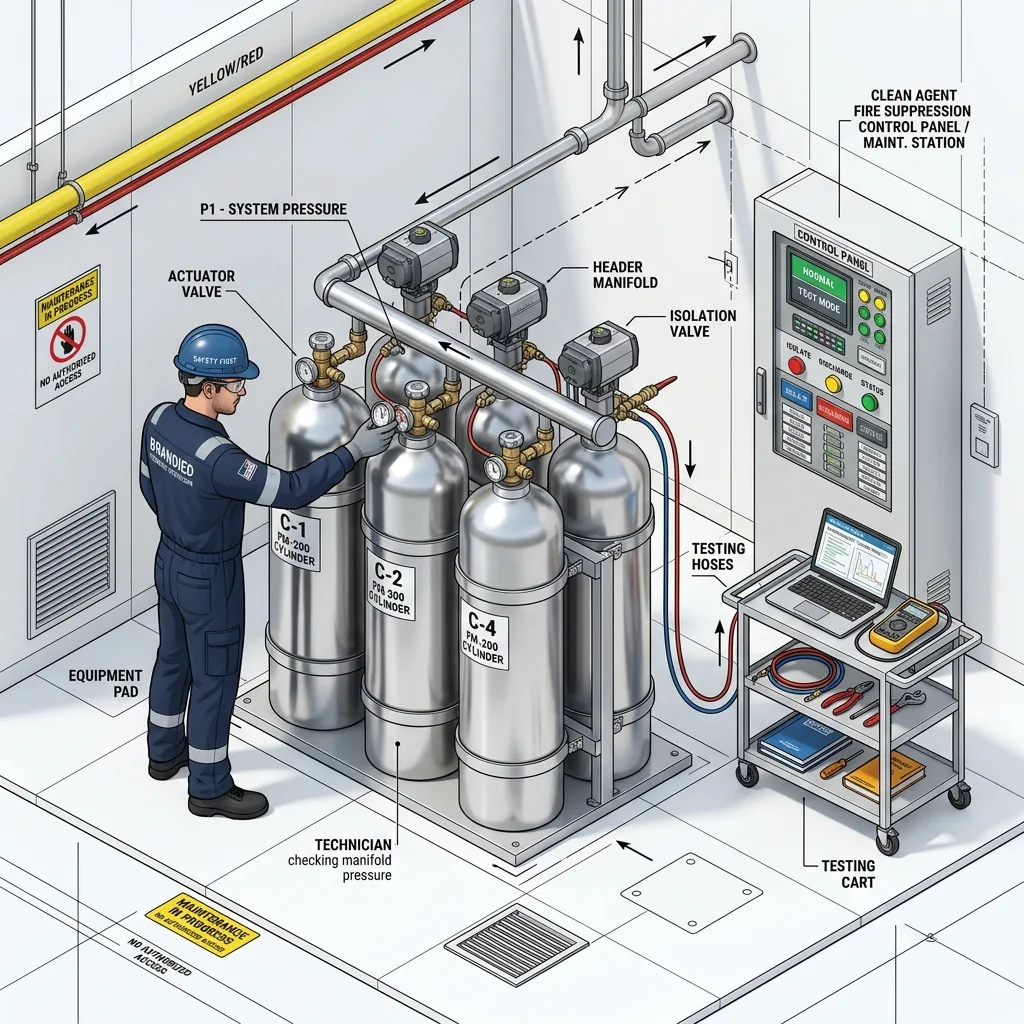
Semi-annual cylinder liquid level checking, pressure gauge verification, control panel battery load testing, and 5-year hose hydrostatic tests.
Engineering breakdown of pre-action sprinkler systems under NFPA 13. Explaining interlock logic between smoke detectors and sprinkler heads to prevent accidental water damage.
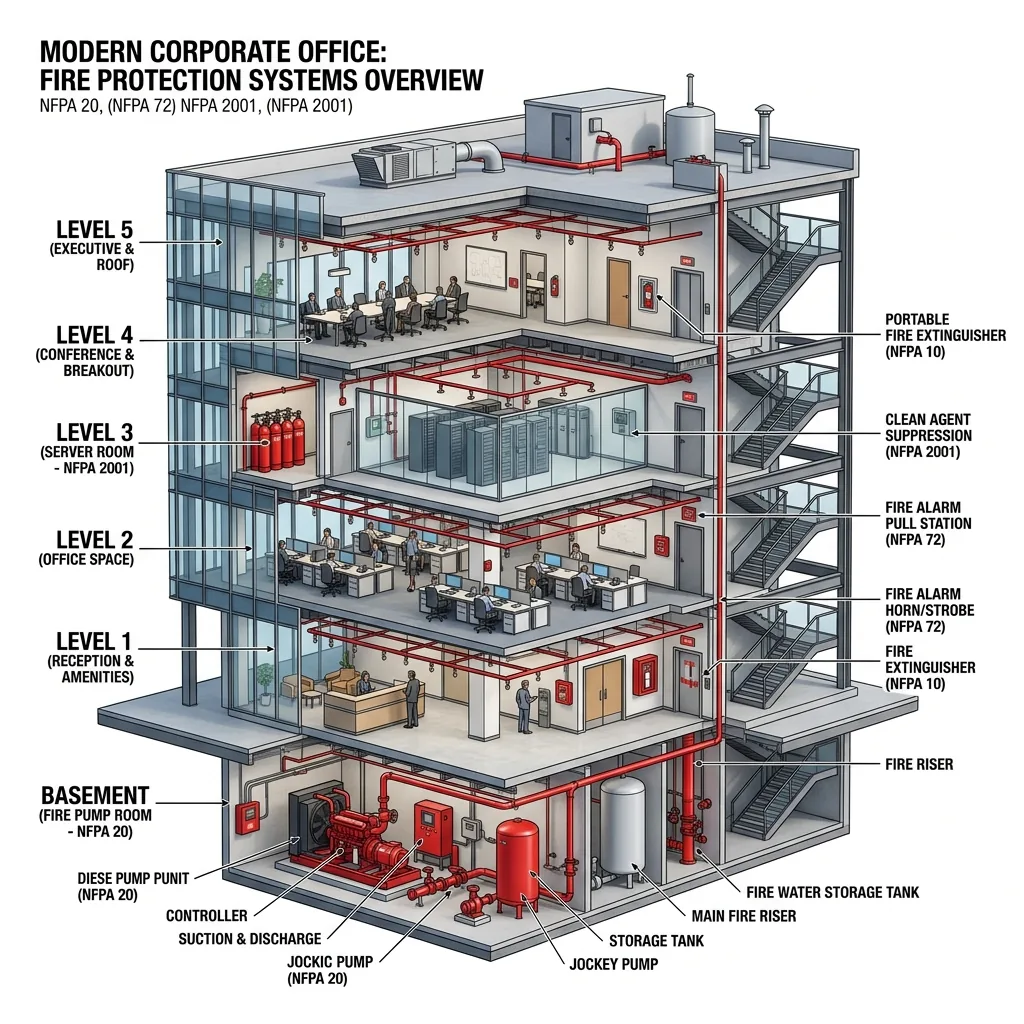
Overview of critical NFPA codes: NFPA 13 (Sprinklers), NFPA 20 (Pumps), NFPA 72 (Alarms), NFPA 101 (Life Safety), and NFPA 2001 (Clean Agent).
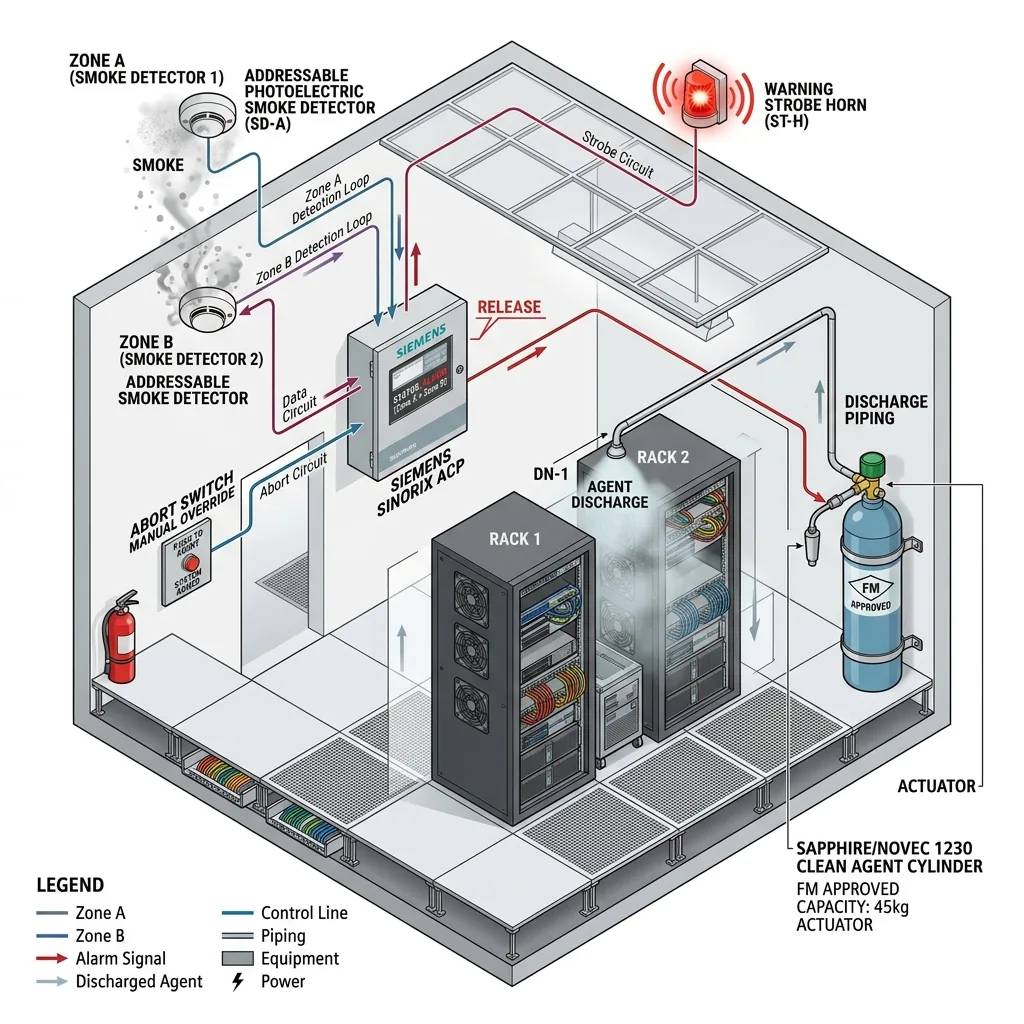
Detailed 2-Stage alarm sequence: 1st zone pre-alarm warning, 2nd zone evacuation horn, 30s abort delay, HVAC damper trip, and solenoid release.
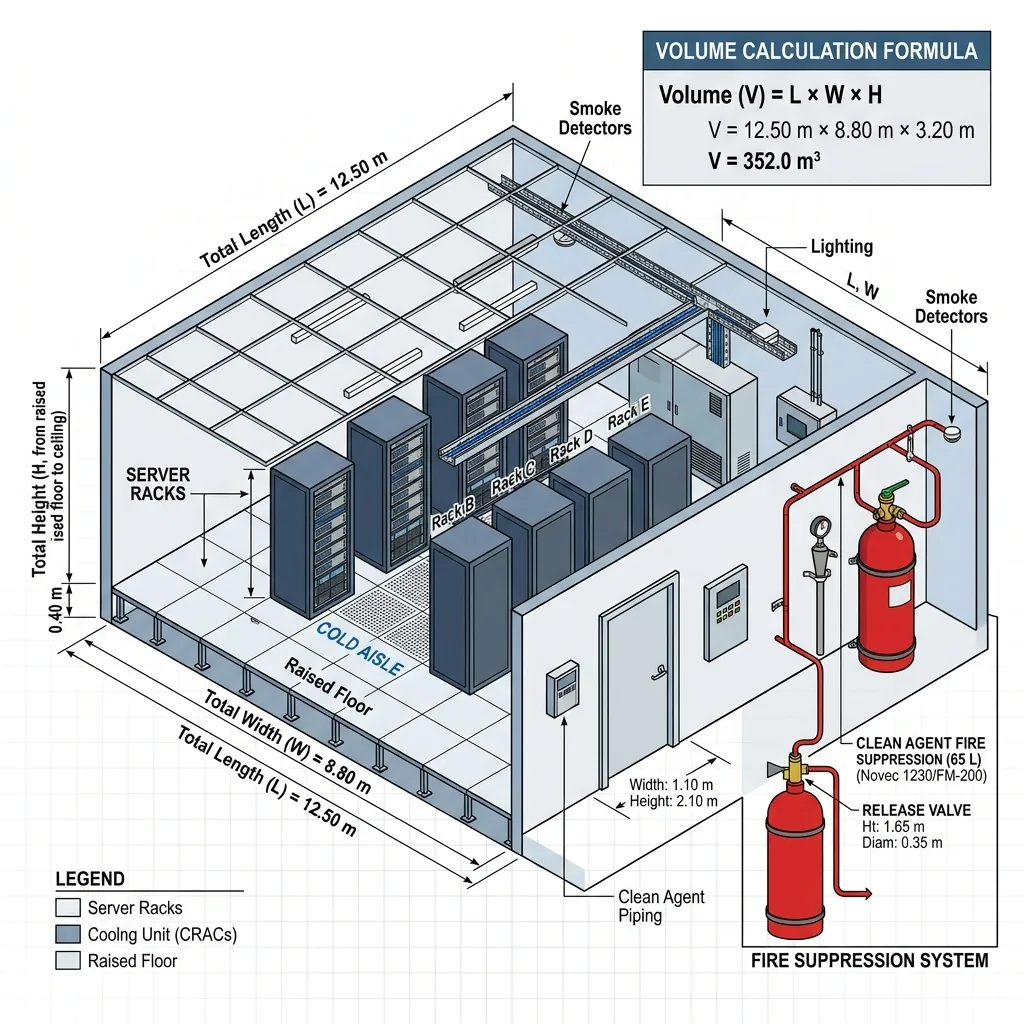
Step-by-step volumetric gas mass calculation formula: factoring room volume, minimum design concentration, and altitude correction coefficients.
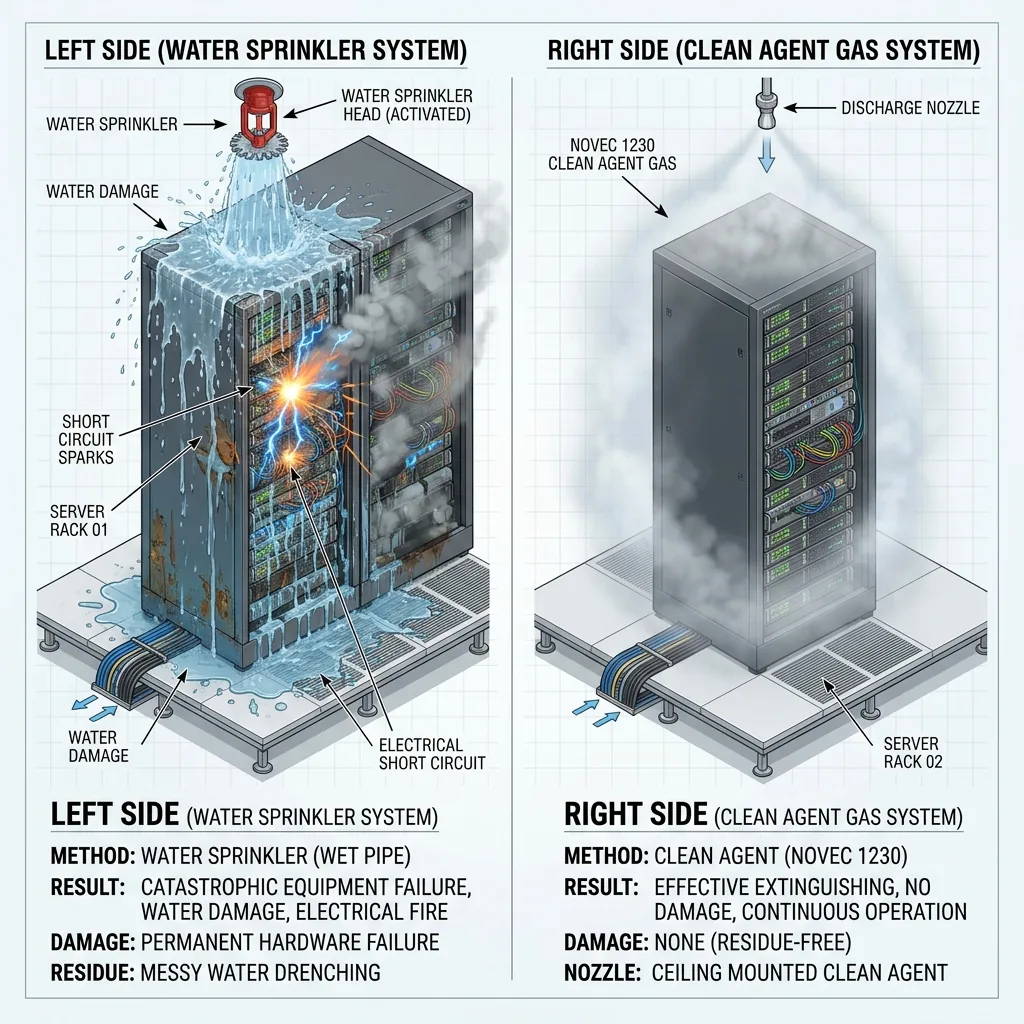
Preventing catastrophic water damage, eliminating electrical short circuits, and maintaining continuous business continuity during fire events.
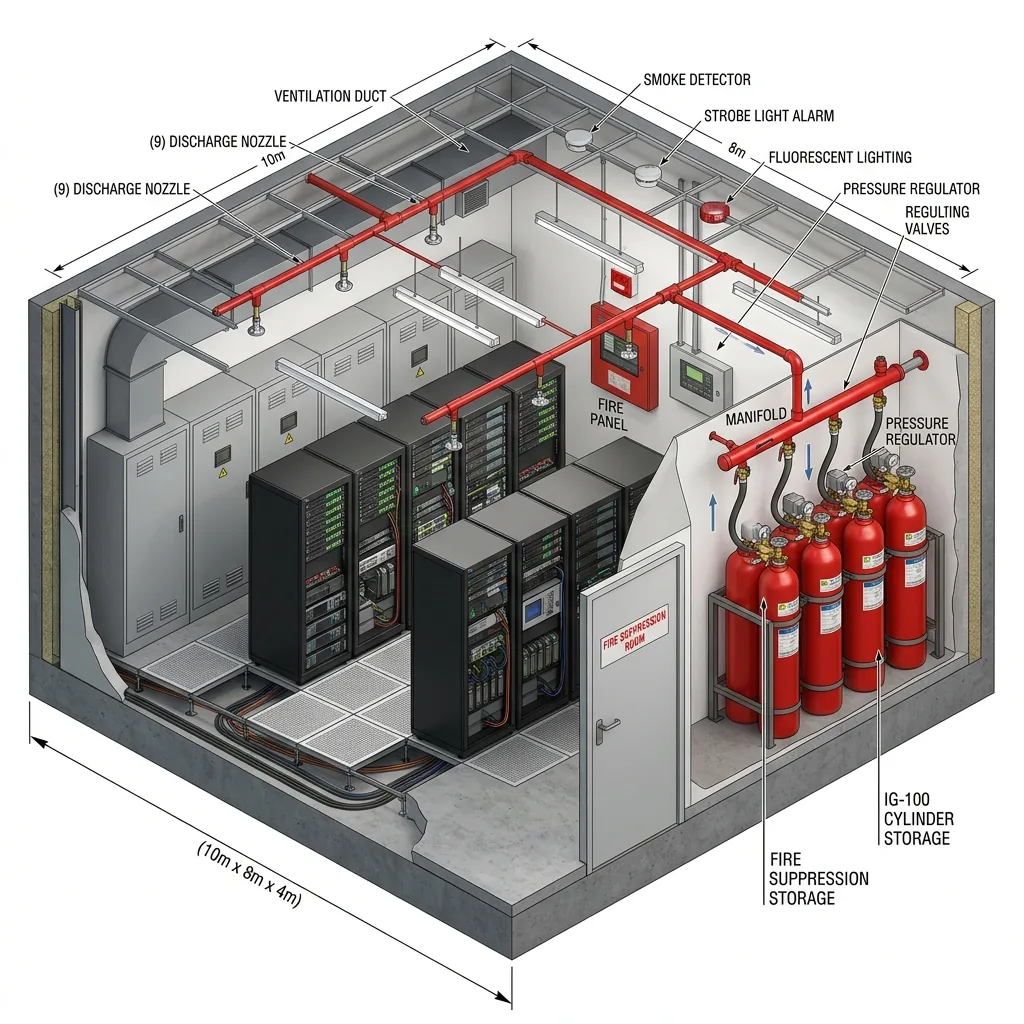
Using 100% natural nitrogen gas for eco-friendly zero-residue fire suppression, high-pressure 200/300 bar cylinder banks, and pressure regulator technology.
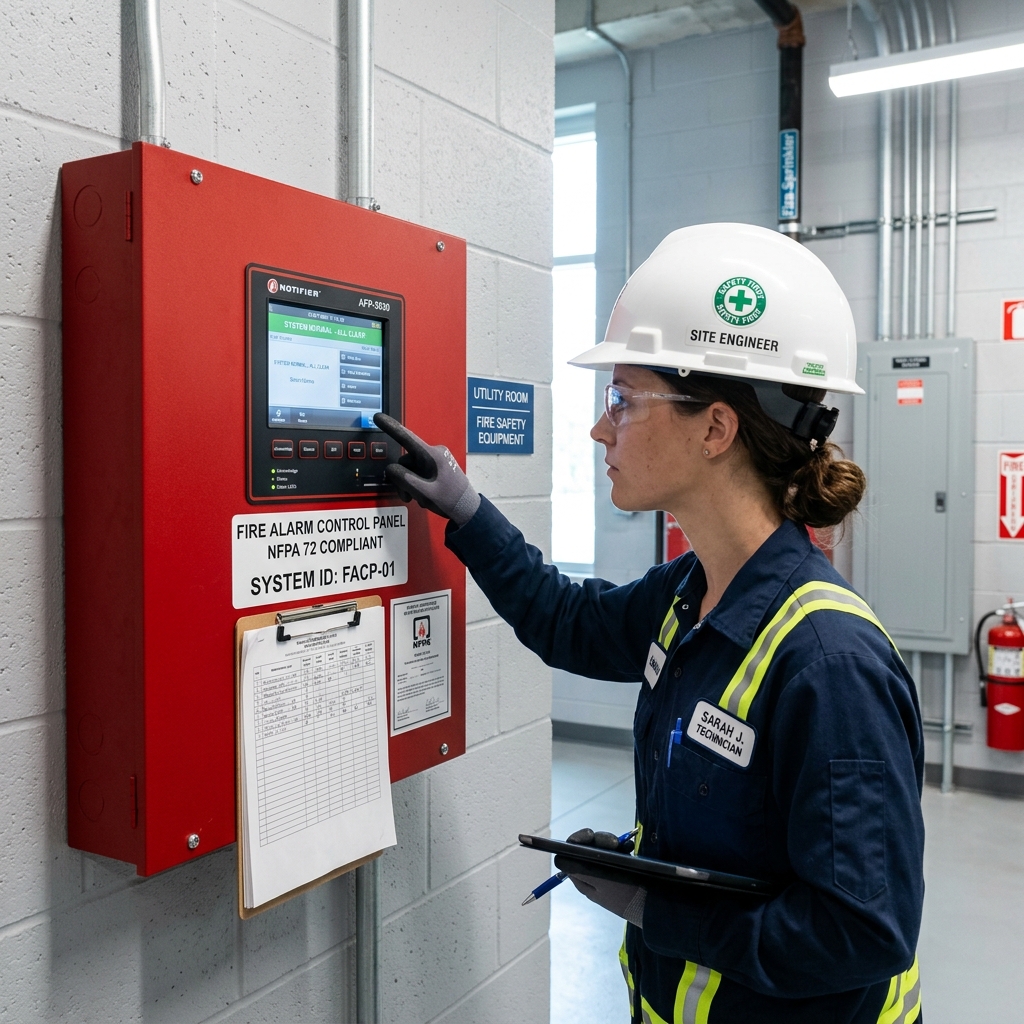
Addressable vs conventional fire alarm architecture, optical smoke detector spacing rules, Siemens Cerberus PRO FACP, and sound level compliance.
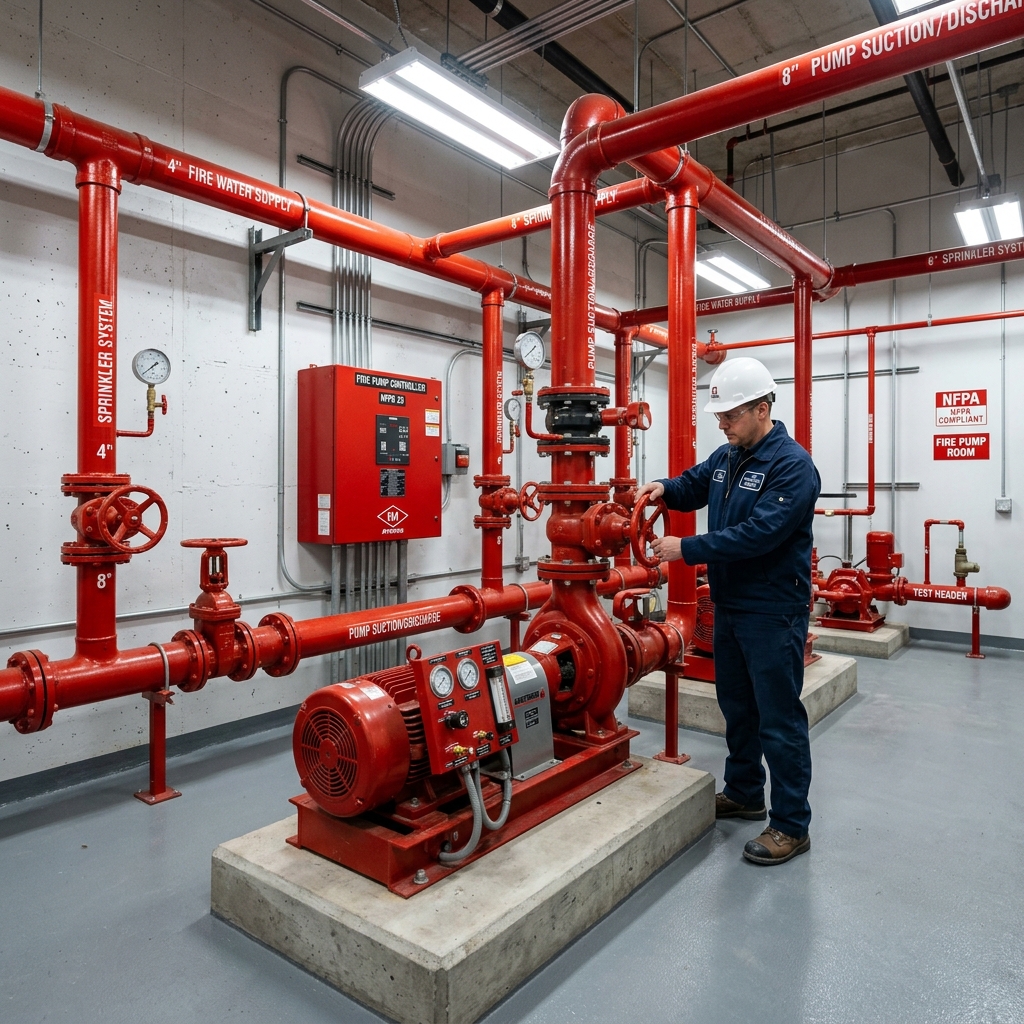
Comprehensive breakdown of automatic fire sprinklers, standpipe hose systems, fire pump selection, and foam deluge protection.
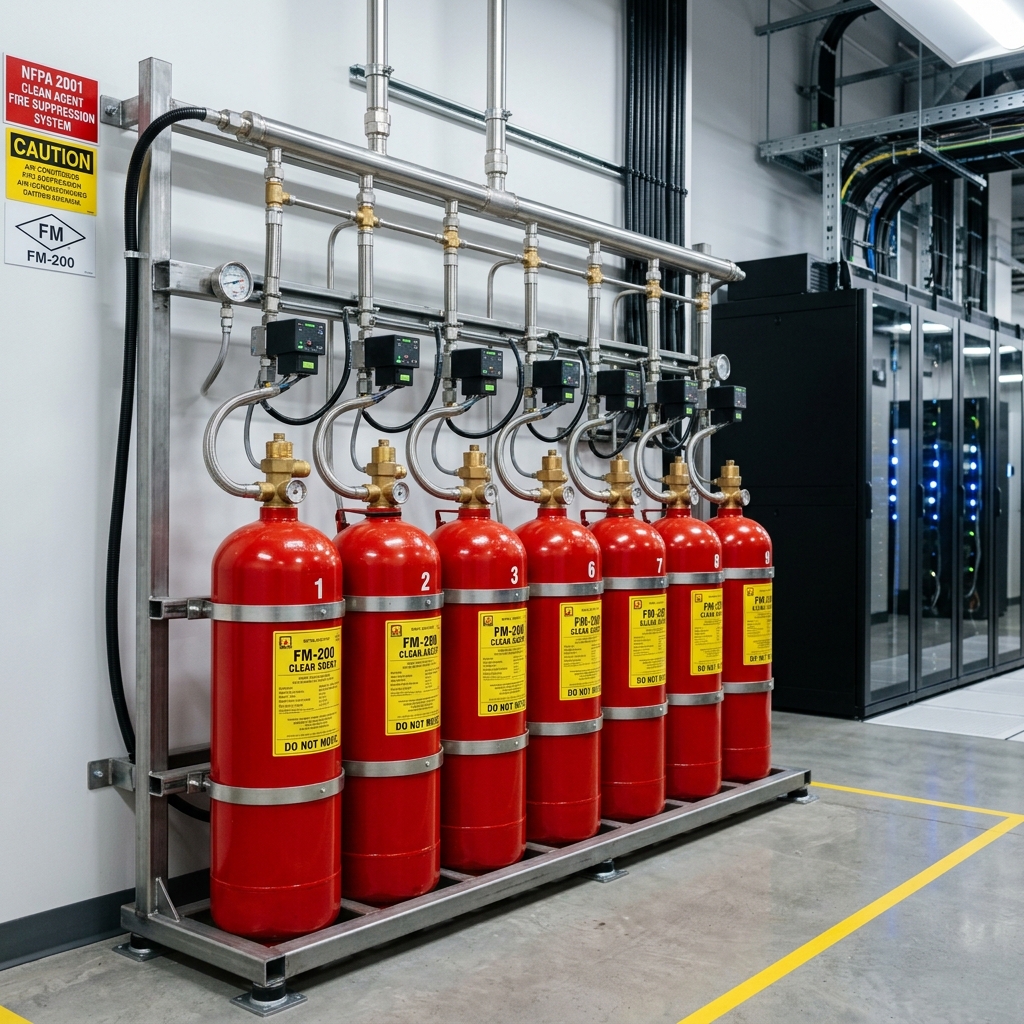
In-depth technical analysis comparing Novec 1230, FM-200, and Nitrogen gas systems for mission-critical IT equipment and electrical rooms.
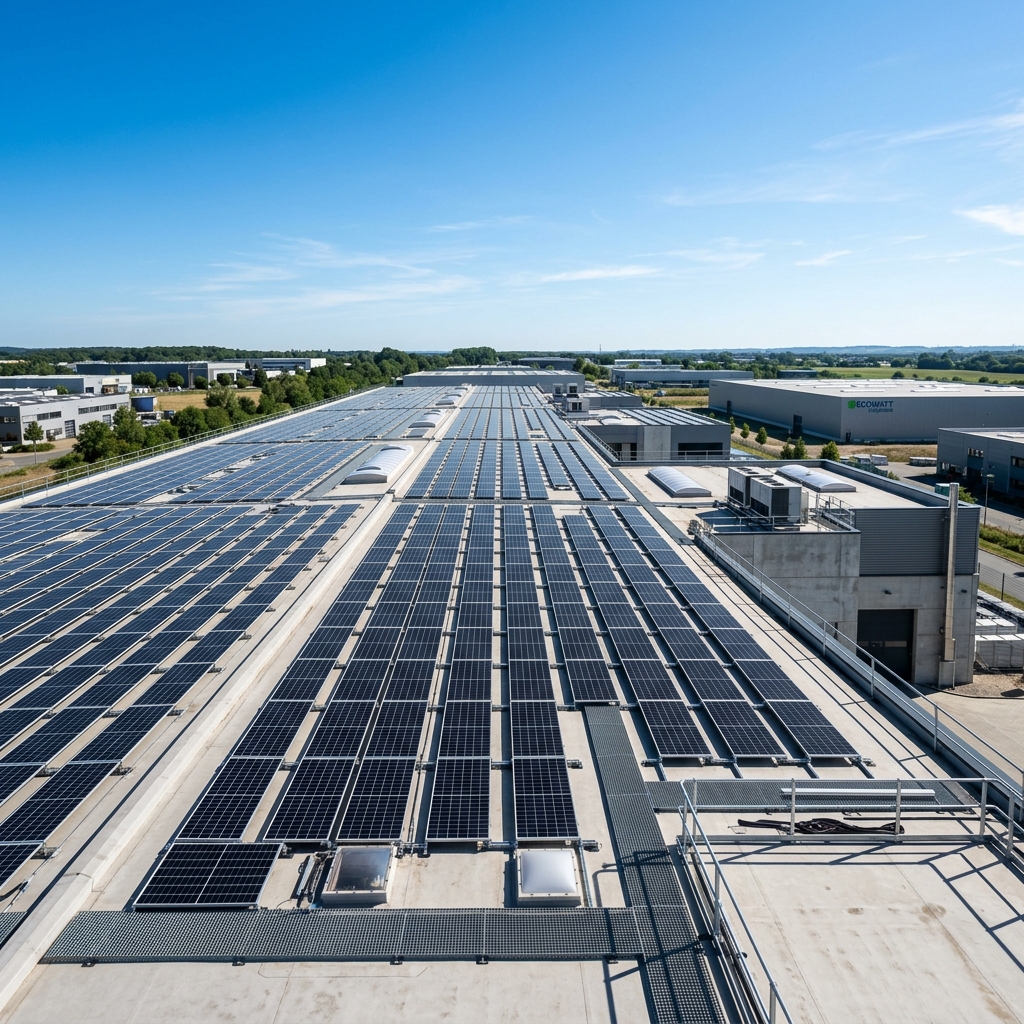
Complete roadmap for commercial solar EPC projects: roof structural audit, inverter sizing, Zero Export controllers, and BOI tax savings.
Recognizing severe pump impeller wear, motor coil breakdown, casing corrosion, and evaluating electric vs diesel replacement costs.
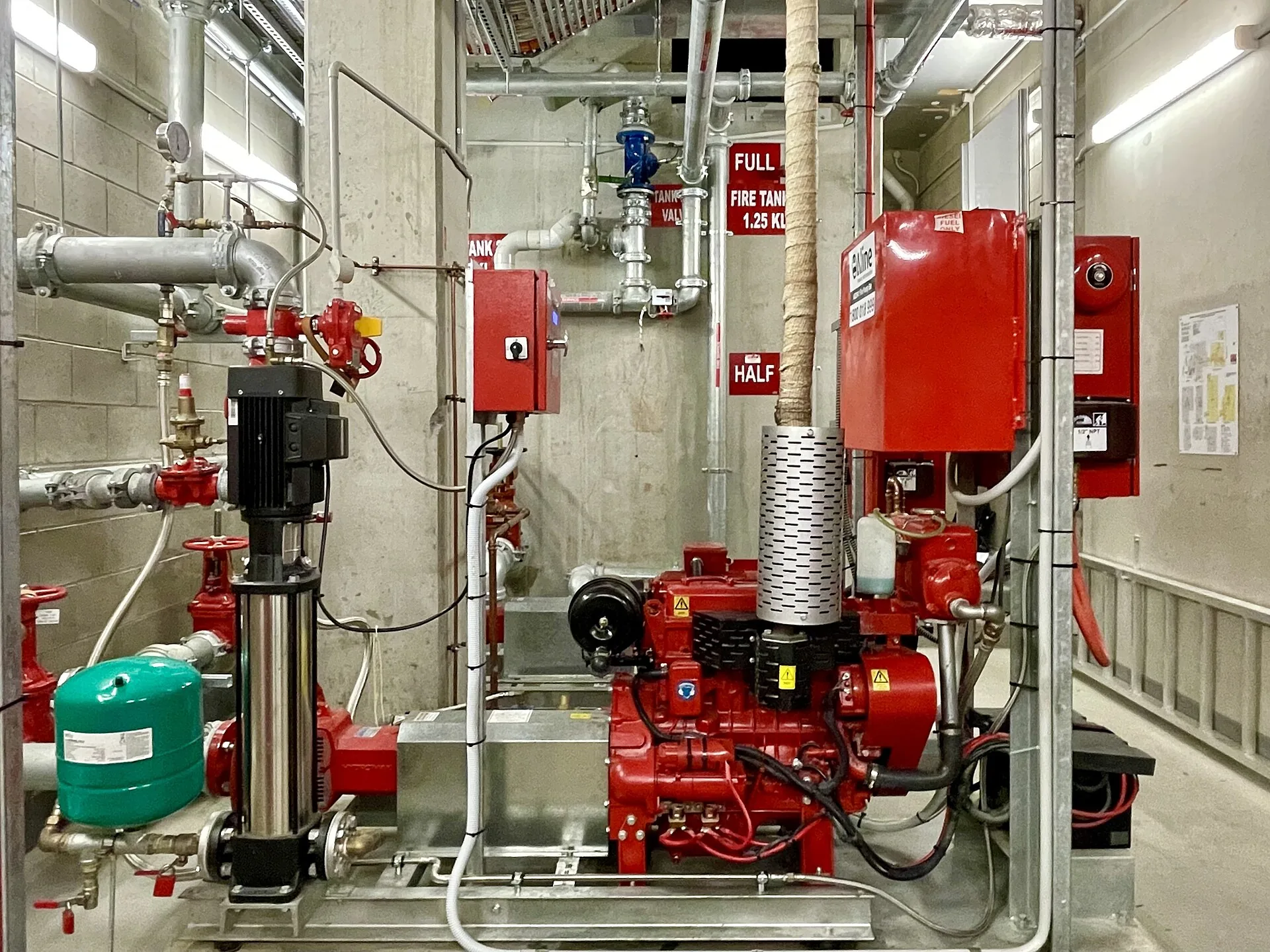
Mechanical room ventilation, suction/discharge manifold piping, eccentric reducers, sensing line connections, and electrical ATS wiring.
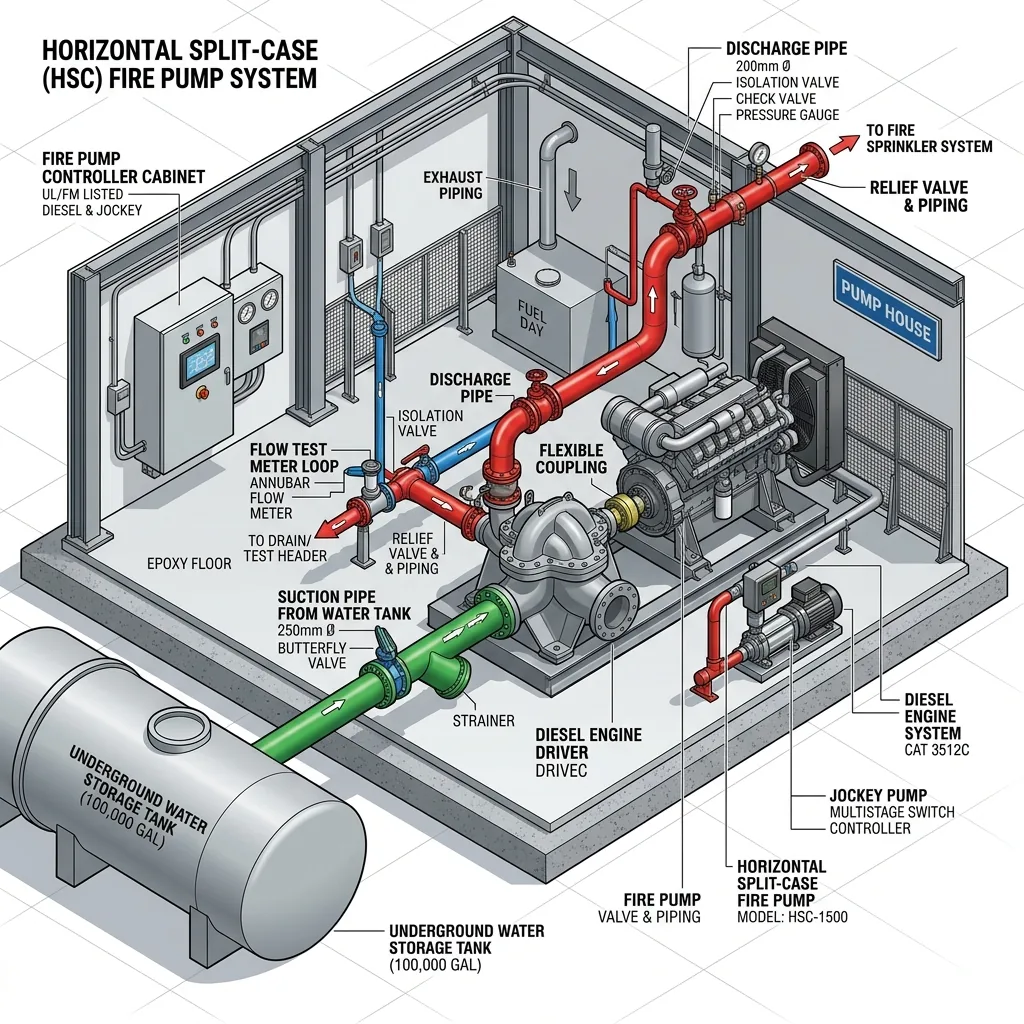
Comparing Horizontal Split-Case, End Suction, Vertical Inline, and Vertical Turbine fire pumps, mandatory flooded suction rules, and driver choices.
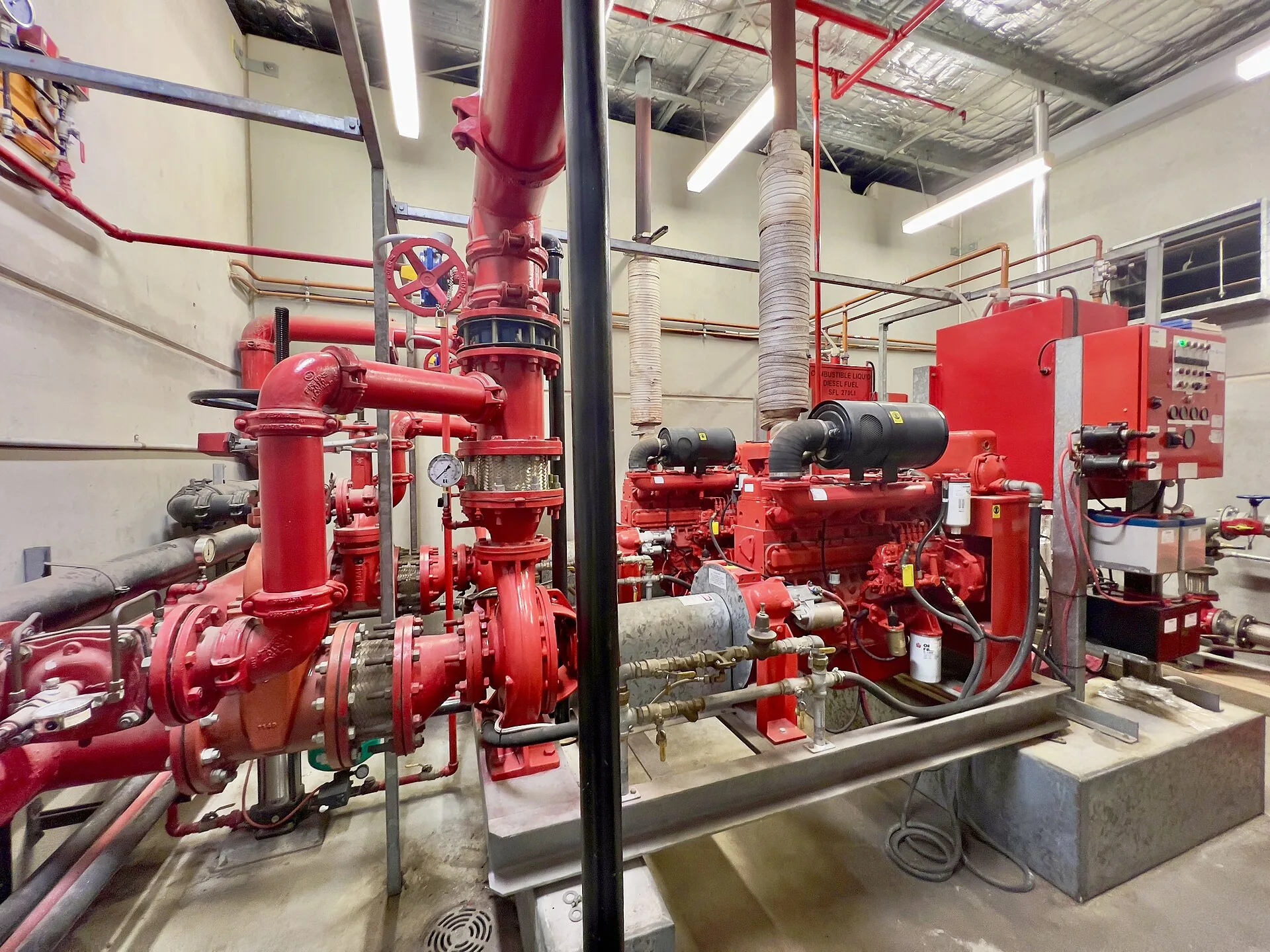
Executing 3-point flow testing (0%, 100%, 150% rated capacity) with pitot tubes and flow meters, plotting net pressure curves against factory benchmarks.
Hydraulic calculations for total dynamic head (TDH), pipe friction loss (Hazen-Williams formula), and net positive suction head (NPSHa vs NPSHr).
Selecting clean agent gaseous systems, thermal sensors, auto-power disconnection interlocks, and overpressure dampers for main switchboard rooms.